Indian Wedding Guest Outfits in Australia: Heat, Grass and Winter
Dress for the Australian season first: cotton, chanderi and light georgette from December to February, velvet and a woollen shawl from June to August, with heels that will not sink into a lawn.
In short
- Australia's seasons run opposite to the northern hemisphere, so a December or January wedding in Sydney or Melbourne is a summer wedding and a July one calls for velvet and a shawl.
- For summer, choose cotton, linen and chanderi by day, and keep polyester georgette, satin and heavy embroidery for the evening or an air-conditioned hall.
- Melbourne needs a layer even in January, because its average summer night is far cooler than Sydney's, while Sydney's summer afternoons are the more humid of the two.
- On a lawn or vineyard, wear a block heel, wedge or flat shoe and lift your hem a little off the grass, because stilettos sink and long skirts pick up stains.
- An Indian size S kurta set usually has a 36 inch (91 cm) bust and suits about an AU 8 to 10, but the chart on each piece is the one to trust.
For an Indian wedding in Australia, dress for the season first. Summer runs from December to February and winter from June to August. In summer, wear cotton, chanderi or light georgette with flat or block-heeled shoes. In winter, choose velvet, brocade and a woollen shawl. Normal Indian guest etiquette covers the rest.
The colour and modesty rules are the same as anywhere, and our guide to what to wear to an Indian wedding as a guest covers them. What changes in Australia is the weather, the venue and the sizes on the label. This guide deals with those three, for guests who live here and for anyone flying in from a northern winter. For a ready edit, look through our wedding guest collection.
How hot or cold is it for a wedding in Sydney or Melbourne?
Expect days in the mid twenties Celsius in summer and the mid teens in winter, with Melbourne's nights much cooler than Sydney's. The long-term averages below come from the Bureau of Meteorology's city stations. Averages hide the hot spells, so check the forecast a week out and plan for a hotter day than the table shows.
| Month | Season | Sydney day / night | Melbourne day / night | Dress for it with |
|---|---|---|---|---|
| December | Early summer | 25.3°C / 17.6°C (78°F / 64°F) | 24.2°C / 13.0°C (76°F / 55°F) | Cotton, chanderi, light georgette, plus a wrap in Melbourne |
| January | High summer | 26.0°C / 18.8°C (79°F / 66°F) | 25.9°C / 14.3°C (79°F / 58°F) | The lightest fabric you own, with little or no lining bulk |
| April | Autumn | 22.5°C / 14.8°C (73°F / 59°F) | 20.3°C / 10.8°C (69°F / 51°F) | Silk blends and sleeves, with a dupatta or wrap at night |
| July | Mid winter | 16.4°C / 8.1°C (62°F / 47°F) | 13.5°C / 6.0°C (56°F / 43°F) | Velvet, brocade and a woollen shawl |
| October | Spring | 22.2°C / 13.6°C (72°F / 57°F) | 19.7°C / 9.6°C (67°F / 49°F) | Silk blends by day, with a warm layer after dark |
Two details in those figures matter when you pack. Sydney's January afternoons are noticeably more humid, at a mean of 62% at 3pm against Melbourne's 47%, so damp patches are the Sydney problem. Melbourne's January nights fall about four and a half degrees lower than Sydney's, so a sleeveless blouse that felt perfect at the 4pm ceremony can feel thin by the speeches. Melbourne is also known for a cool change arriving mid-afternoon, so bring the wrap even if the morning looks settled.
Which fabrics stay comfortable in an Australian summer?
Natural, open weaves stay coolest, so start with cotton, linen and chanderi. Chanderi is a light, slightly sheer weave of silk and cotton that looks dressy without the weight of a full silk. Read the material line on each piece, because the same name can hide very different cloth: georgette is airy, but poly georgette will still feel warmer than cotton in the sun.
| Fabric | In the heat | Best used for |
|---|---|---|
| Cotton, mul, linen | Coolest, though it creases | Haldi, mehendi, daytime garden functions |
| Chanderi | Light, and dressy enough for rites | Daytime ceremony, lunch reception |
| Georgette, chiffon | Airy, warmer if polyester | Late afternoon onwards, or a shaded marquee |
| Organza | Sheer and crisp, stands away from the skin | Saree for an evening reception |
| Satin | Traps heat, and pale shades show damp | Air-conditioned halls |
| Velvet, heavy brocade | Too warm | Keep for June to August |
Construction counts as much as the fibre. Thick linings, layers of net under a lehenga and dense sequin panels all hold heat against the body, so check how many layers a piece has. Choose a blouse or kurta with a cotton lining where one is offered, and go for a print or a mid-tone colour if you expect to sweat. They hide damp far better than pale satin. You will find plenty of light options among our kurta sets.
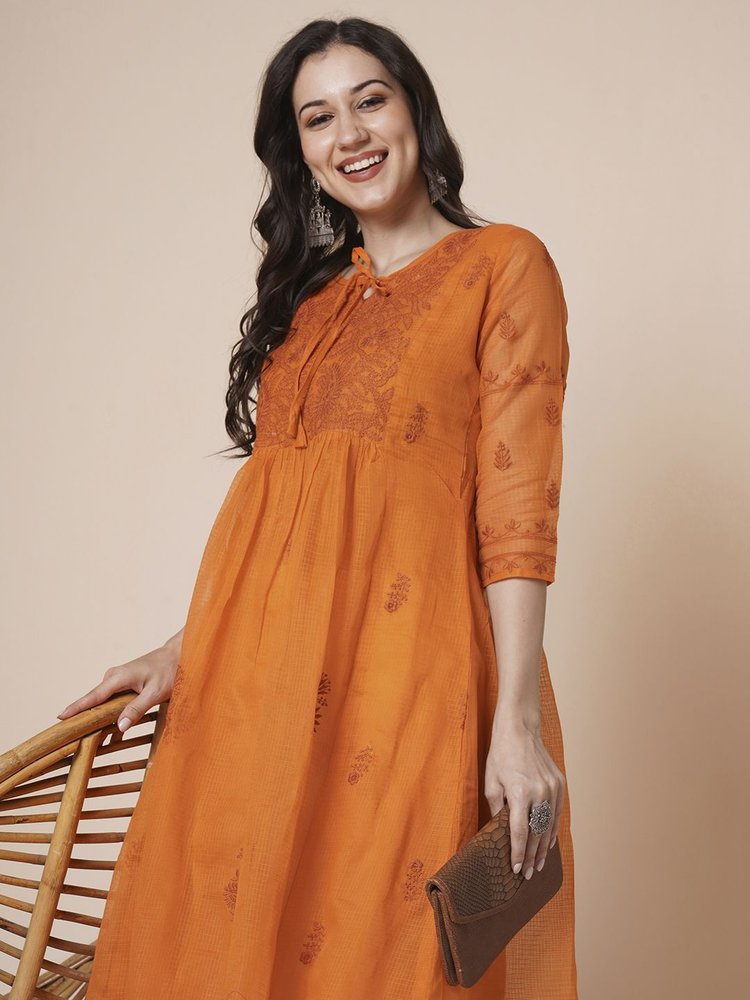
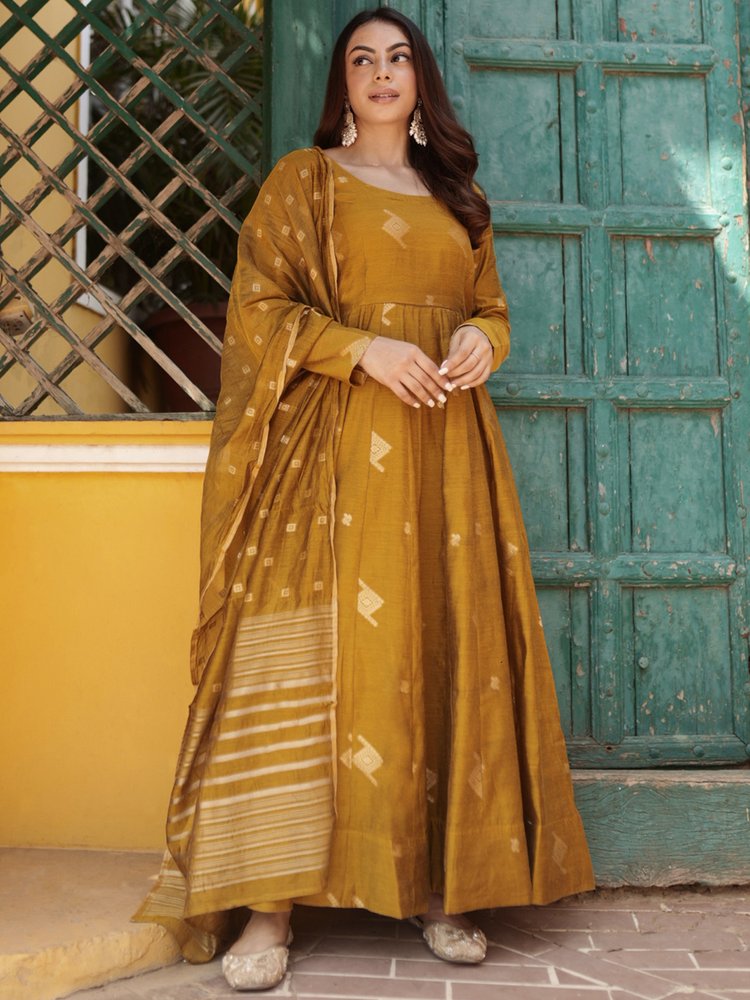
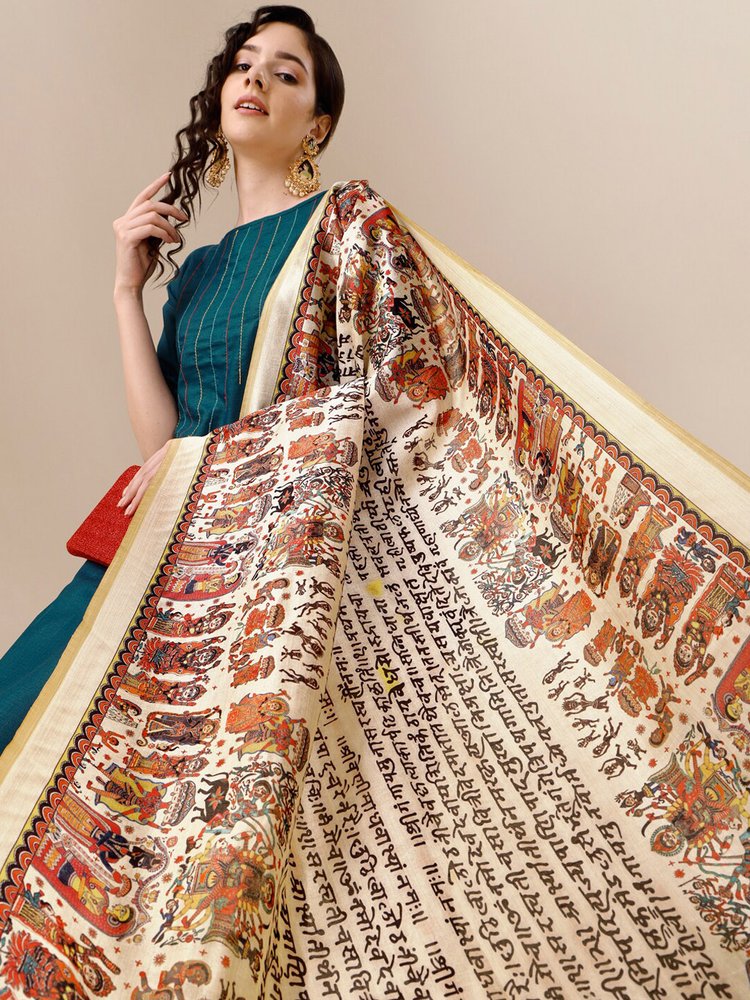
Light enough for a January afternoon
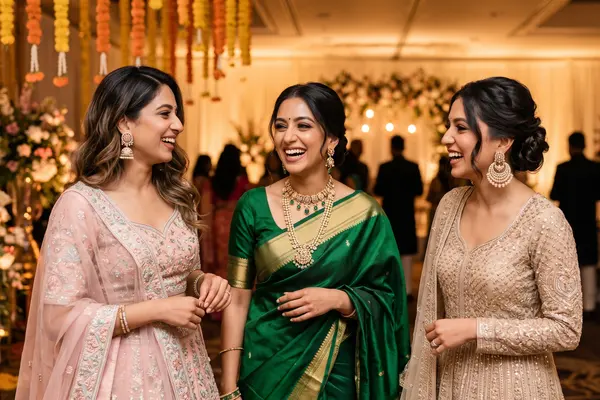
Chanderi and pure cotton, with sleeves or a dupatta to keep the ceremony covered.

What should you wear to an outdoor Indian wedding in Australia?
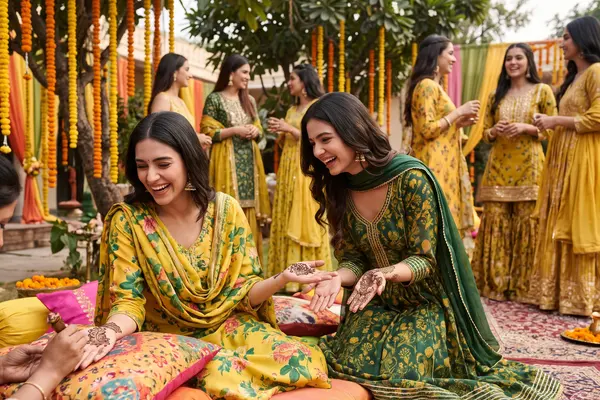
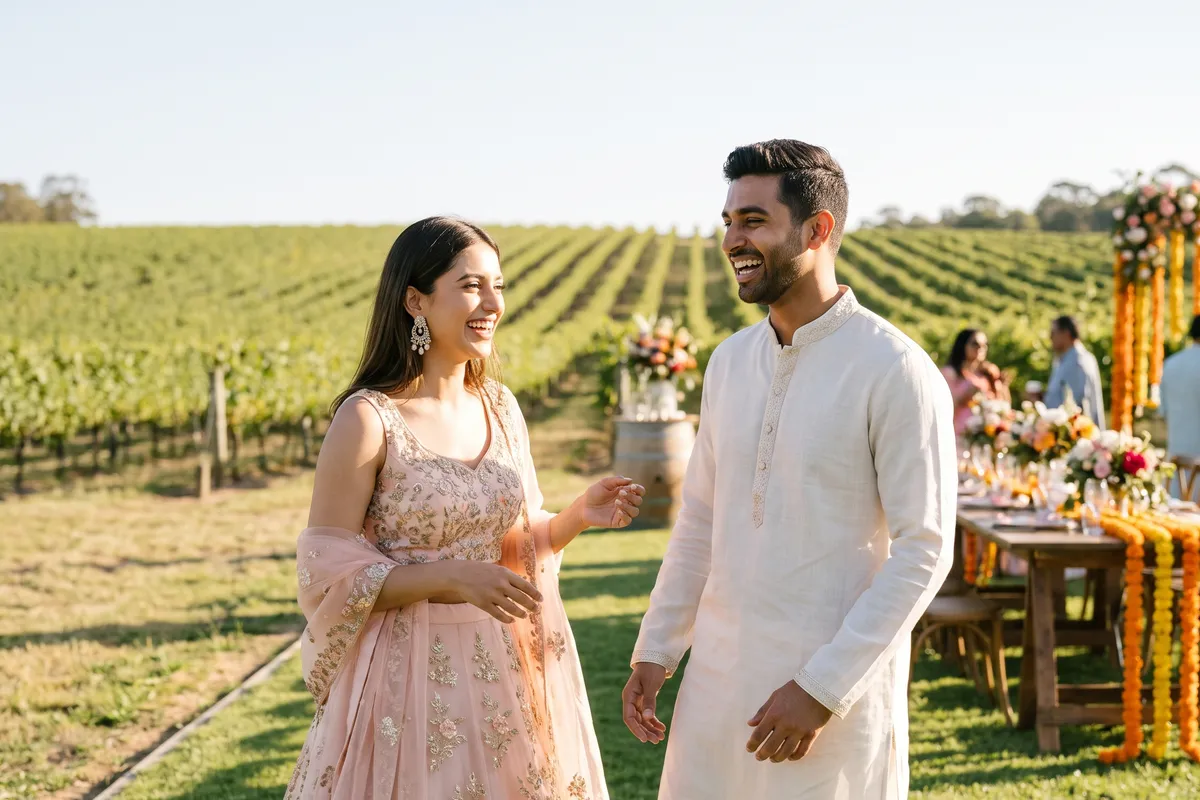
Wear something light that moves in a breeze but stays pinned in place, and plan for sun, grass and wind. Wineries in the Hunter Valley, the Yarra Valley and the Mornington Peninsula are popular wedding settings, as are gardens and beachside lawns around both cities. These settings look lovely in light colours and punish anything heavy.
- Pin your dupatta. Coastal and hilltop breezes will take a loose one straight off the shoulder. Use one safety pin at the shoulder and another at the waist.
- Lift the hem. A skirt or saree that grazes the floor indoors will collect grass stains and dew outdoors. Have it hemmed about an inch (2.5 cm) higher than you would for a ballroom.
- Pick a sharara or palazzo over a fitted skirt. Wide trousers let air through, and they let you sit on a low stool under the mandap, the wedding canopy, without any fuss.
- Keep a small hand fan and a bottle of water in your bag. A long ceremony in full sun is a good reason to sit where the shade is, even if it is further from the action.
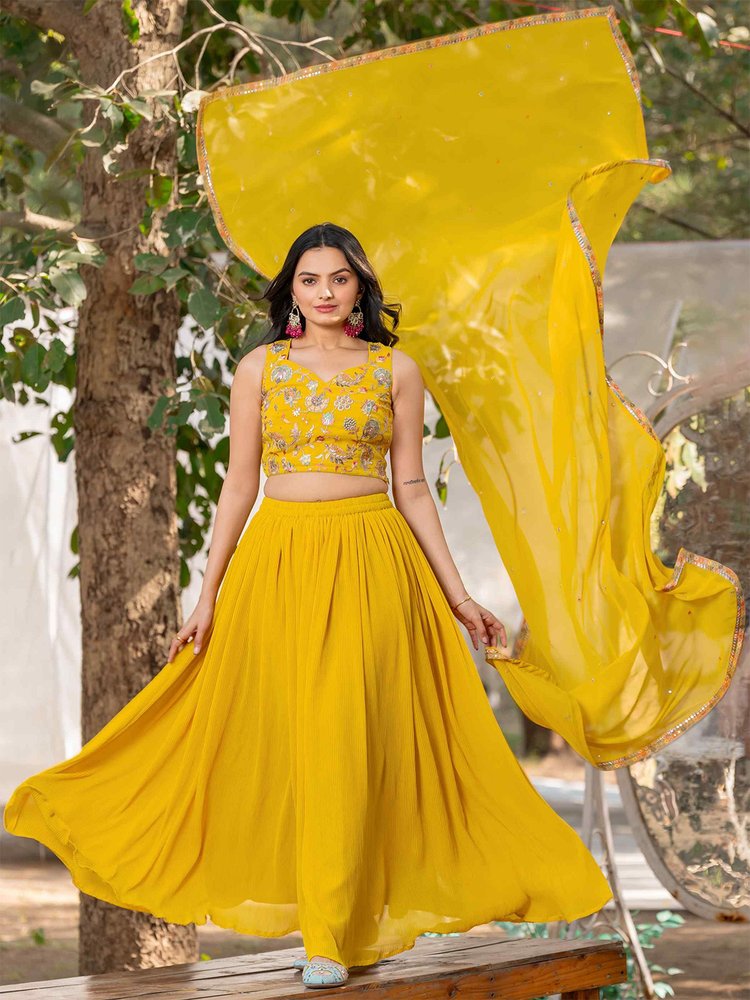
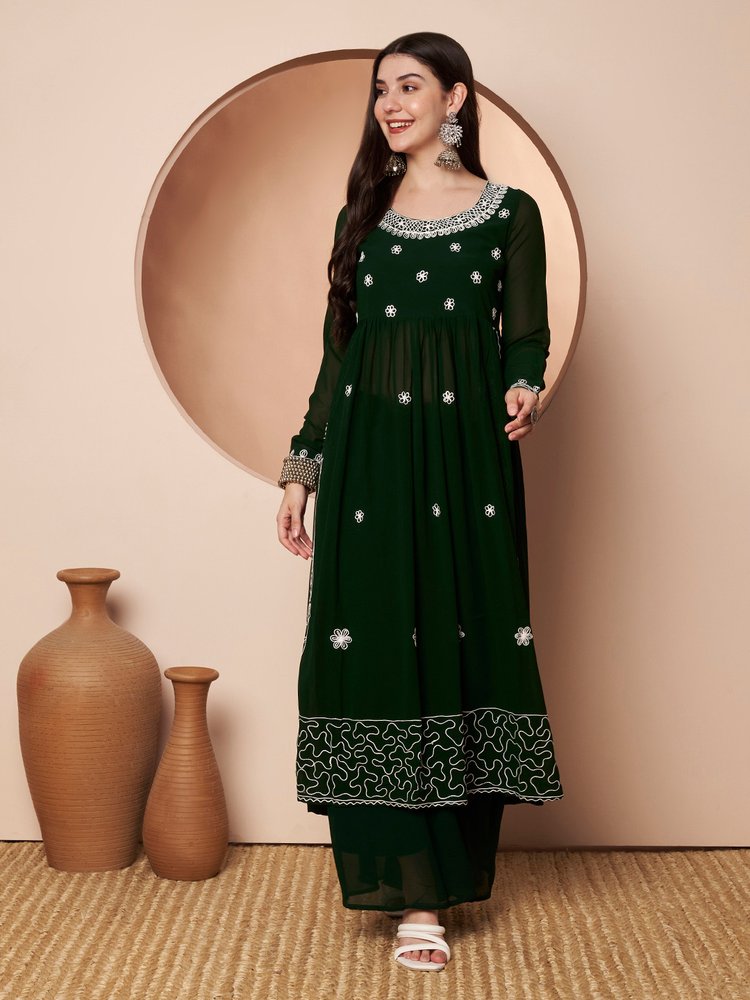
Skirts and flared trousers for a lawn
The two lehengas are polyester georgette, so wear them late in the day or in the shade. The sharara set is in silk.


Do Sydney and Melbourne weddings feel different?
The etiquette does not change, but the setting often does. Larger celebrations in both cities tend to use big function centres in the suburbs where many Indian families live, such as western Sydney and the western and south-eastern parts of Melbourne. Those rooms are usually air-conditioned, so a satin blouse or an embroidered lehenga that would wilt on a lawn is perfectly comfortable inside. Bring a light wrap, because a chilled hall can feel cold after a hot car park.
Smaller weddings more often split their days: a garden mehendi, a temple or gurdwara ceremony, then a hotel or harbour-view reception. Check the address on each function before you choose an outfit. A temple or gurdwara will ask you to take your shoes off, and a gurdwara will ask you to cover your head and sit on the floor, whatever the temperature outside. Our function by function guide explains the mood of each event.
For an air-conditioned evening
Organza and embroidered georgette, in colours well away from the bride's red.
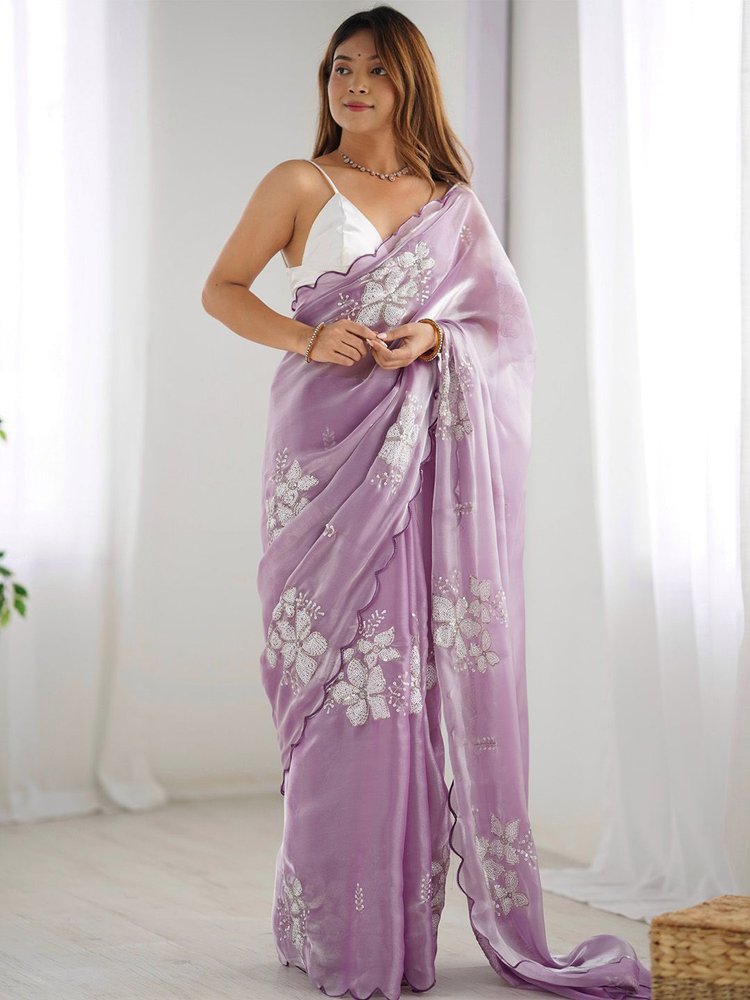
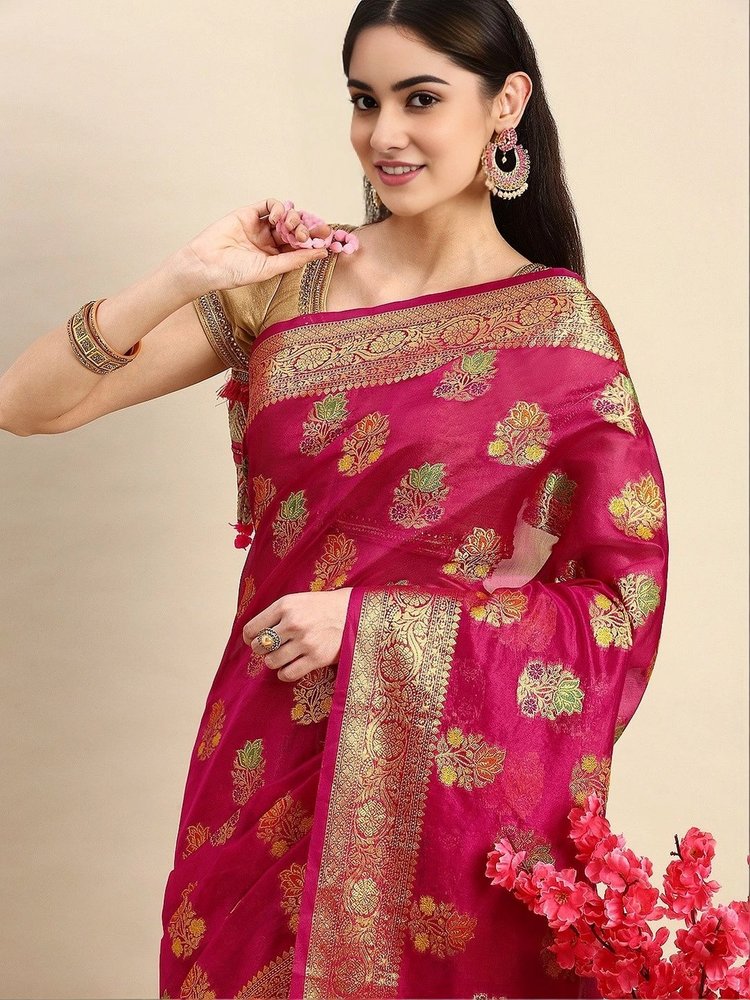


A saree with the drape already made
A ready-to-wear saree in a linen blend, printed in grey with a red abstract pattern. It suits a guest who has not worn a saree before, and linen is kinder than satin on a warm evening.
- No pleating or tucking to learn
- Hand wash, so a splash at dinner is not a disaster
What if you would rather wear Western clothes?
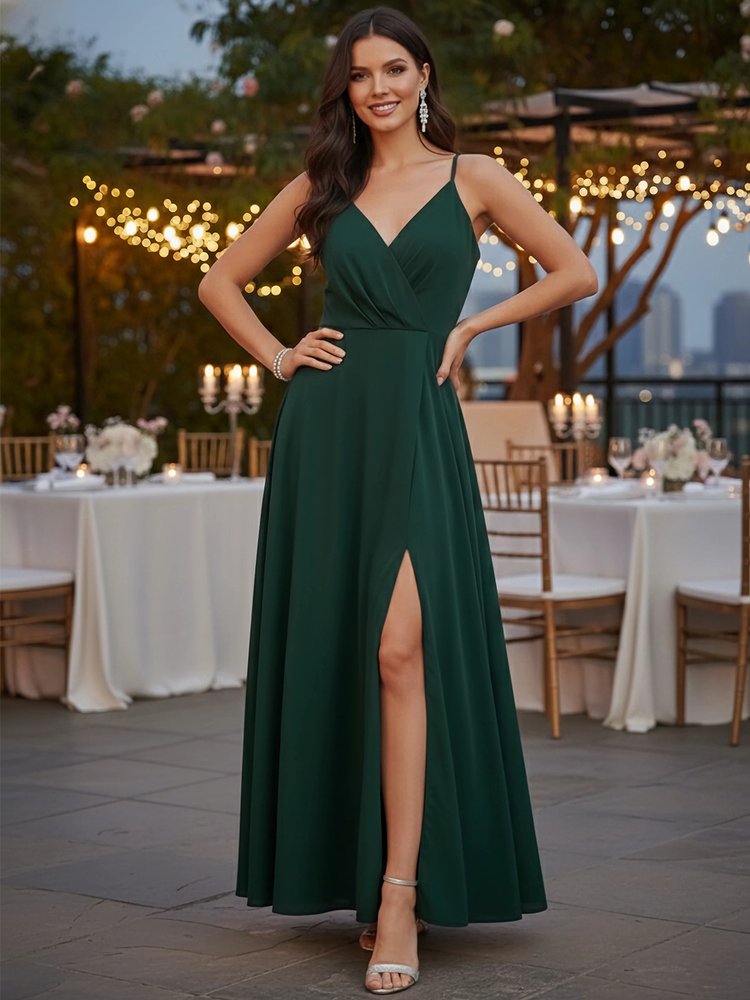
A colourful long or midi dress is completely fine, and it is the easiest way to stay cool. The usual Australian guest outfit needs only small changes: add sleeves or a wrap for the ceremony, keep the hem below the knee and stay away from plain white and all black at the rites. A strappy slit dress in a rich colour works at the reception, once the ceremony is over. Browse our dresses for both.
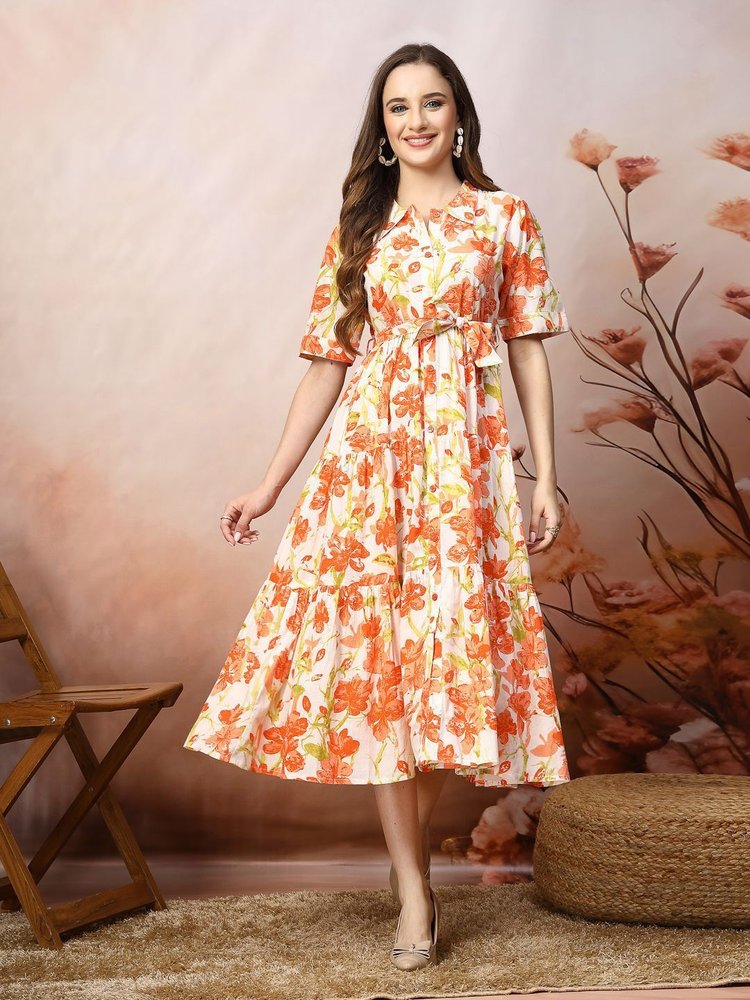
Western options that still feel festive
Cotton for a daytime function, and a deep green wrap dress for an evening reception.
What should men wear to an Indian wedding in Australia?
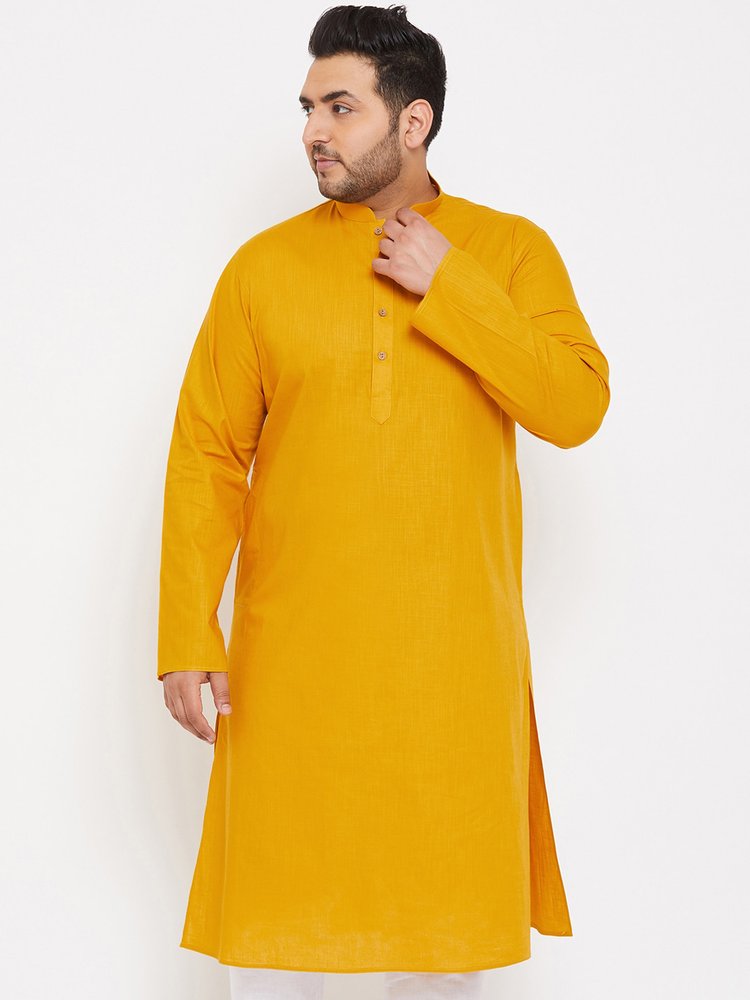
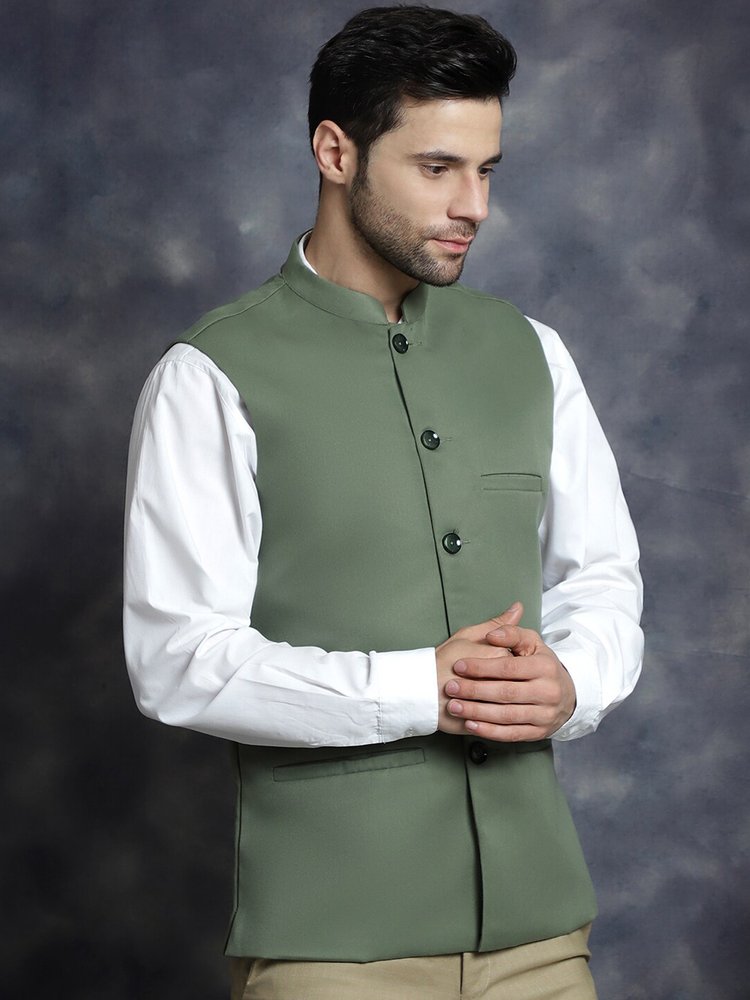
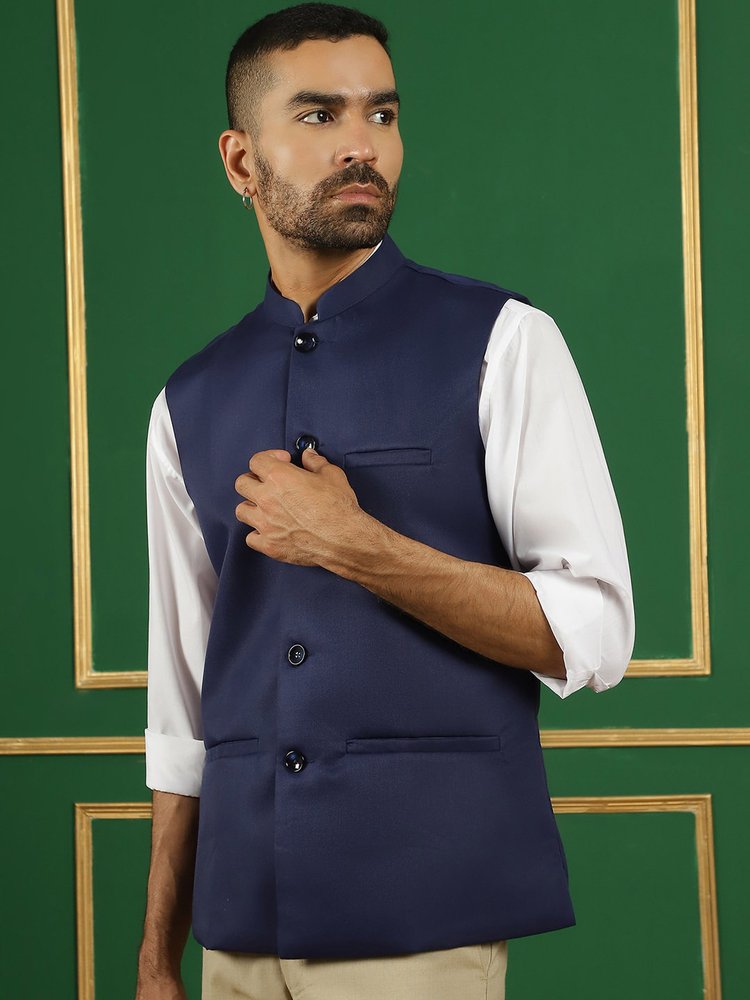
In summer, men should wear a cotton-linen kurta with light trousers or churidar, and add a Nehru jacket only for the evening. A wool suit at a January afternoon ceremony is hard work, so keep it for a cool hall or a winter date. A Nehru jacket is the sleeveless, stand-collar jacket that makes a plain kurta look finished, and you can slip it off between events. A pale kurta is common at daytime parties, though it is worth asking the family before wearing plain white to the rites. Our guide for men at Indian weddings goes into more detail.
Cool kurtas and a jacket for later
Two cotton-linen kurtas and two cotton-blend jackets.

Which shoes work on grass, sand and hot paving?
Choose a block heel, a wedge or a flat, because a stiletto sinks straight into a lawn. Think too about the shoes-off moment at a temple or gurdwara, where buckles slow you down and summer paving can be warm underfoot, so slip-ons make life easier. At a beach ceremony, most guests end up barefoot, so a flat you can carry is enough.
| Shoe | Grass | Slip off quickly? | Good for |
|---|---|---|---|
| Jutti or mojari | Very good | Yes | Every function, and dancing |
| Kolhapuri flat | Good | Yes | Daytime and summer, as it is an open sandal |
| Wedge | Very good | Usually | Height on a lawn or at a vineyard |
| Block heel | Good | Takes a moment if it buckles | Reception, indoors or out |
| Stiletto | Poor | Often not | A hard floor only |
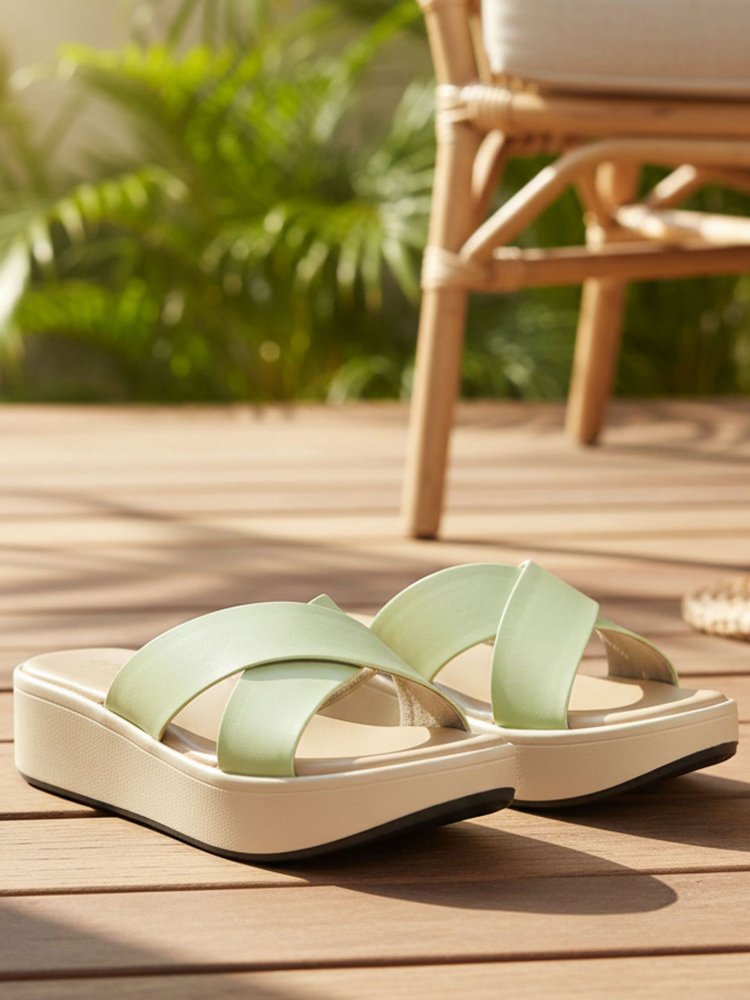
Four pairs for a lawn
An embroidered jutti, a leather Kolhapuri, a 2 inch (5 cm) wedge and a 2.5 inch (6 cm) block heel.



What do you wear to a winter wedding from June to August?
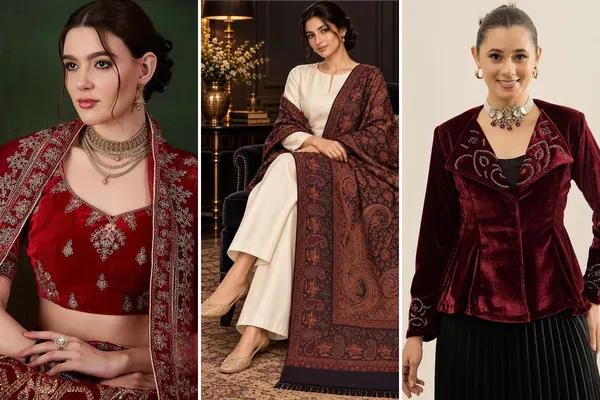
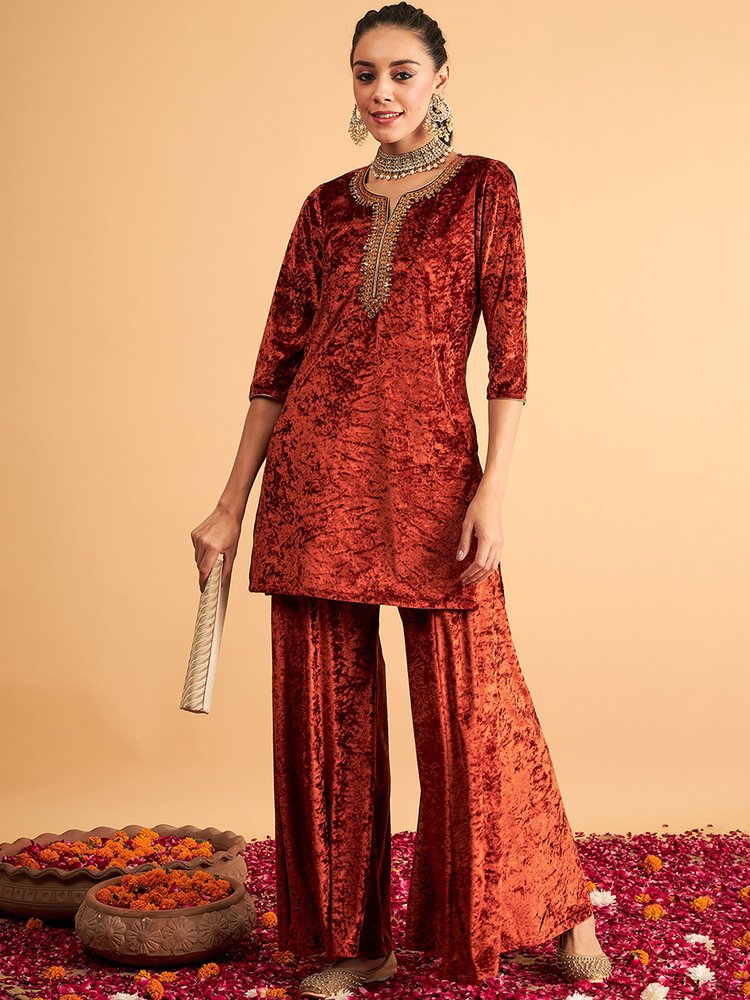
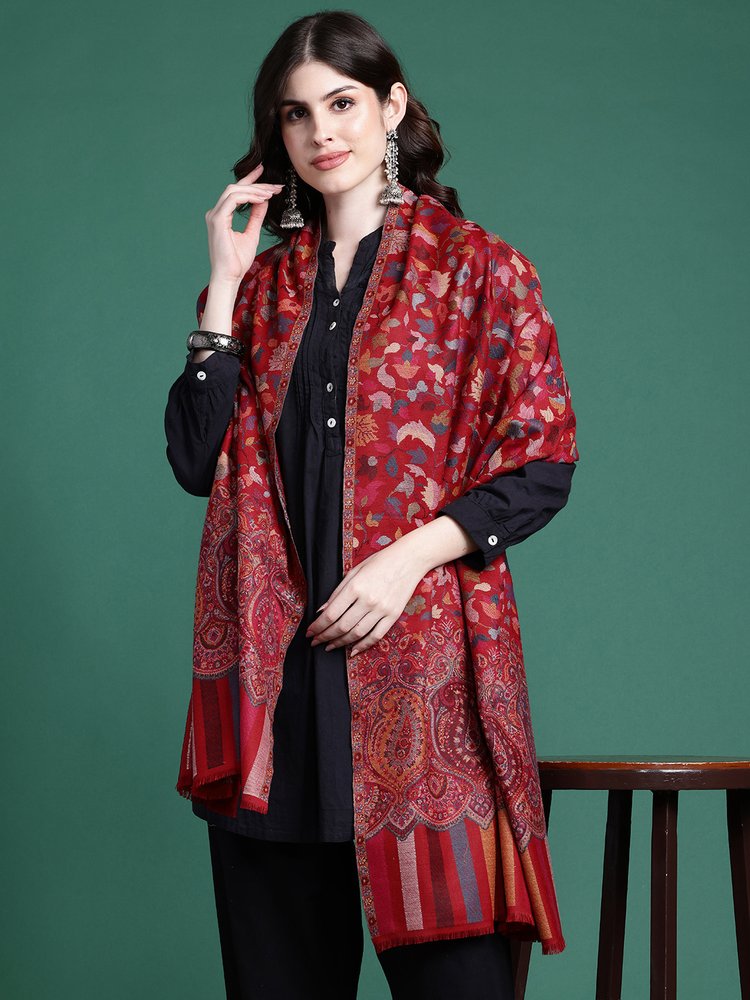
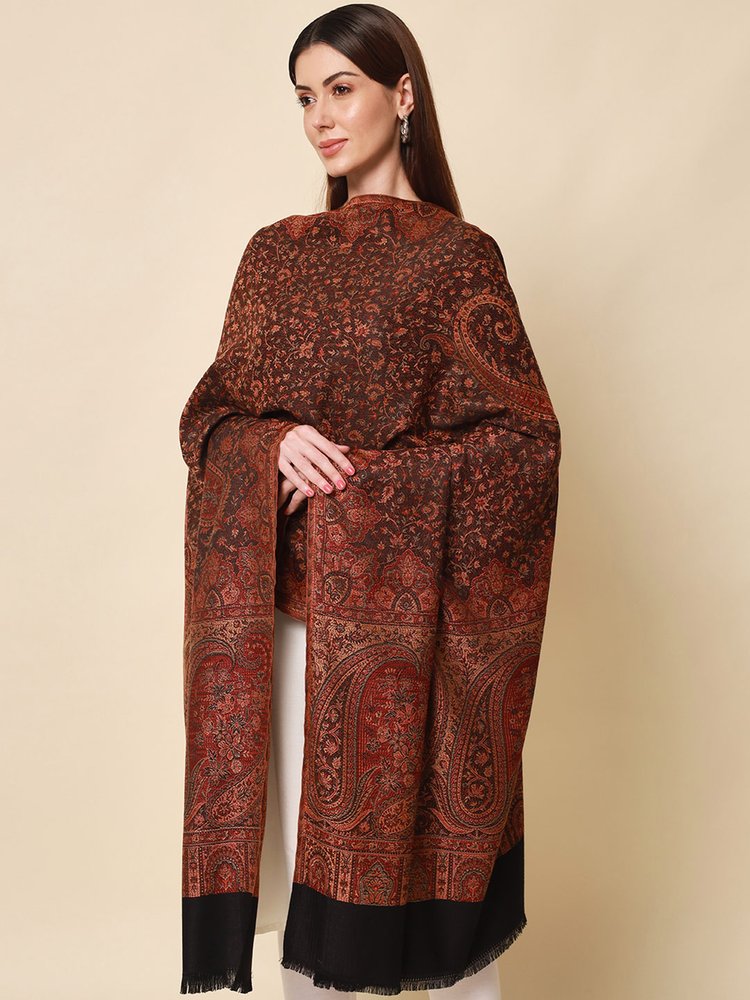
Wear velvet, raw silk or brocade with long sleeves, and take a woollen shawl for the walk between the car and the hall. This is the time for deep wine, rust and bottle green. Melbourne's July days average only 13.5°C (56°F), and the evening will be colder, so a fine thermal top under a kurta is a good idea and nobody will know. A woven shawl looks far better in the photographs than a puffer jacket. Men can move up to a lined silk-blend Nehru jacket or a proper suit.
Warm enough for a July evening
Velvet sets, two woven wool-blend shawls, and a lined silk-blend jacket for men.


How do Australian dress sizes compare with Indian sizes?
An Indian size M kurta set usually suits about an AU 12, though labels differ, so measure before you choose. Across the kurta sets on this store, the typical garment measures 38 inches at the bust in M, with a fit about 1.5 inches smaller on the body. Australian and UK sizes run on the same numbers, and US sizes sit about four below them.
| Indian label | Garment bust | Fits a bust of about | AU and UK | US | EU |
|---|---|---|---|---|---|
| XS | 34 in (86 cm) | 32 in (81 cm) | 6 to 8 | 2 to 4 | 34 to 36 |
| S | 36 in (91 cm) | 34 to 35 in (86 to 89 cm) | 8 to 10 | 4 to 6 | 36 to 38 |
| M | 38 in (97 cm) | 36 to 37 in (91 to 94 cm) | 12 | 8 | 40 |
| L | 40 in (102 cm) | 38 to 39 in (97 to 99 cm) | 14 | 10 | 42 |
| XL | 42 in (107 cm) | 40 to 41 in (102 to 104 cm) | 16 | 12 | 44 |
| XXL | 44 in (112 cm) | 42 to 43 in (107 to 109 cm) | 18 | 14 | 46 |
| 3XL | 46 in (117 cm) | 44 to 46 in (112 to 117 cm) | 20 | 16 | 48 |
For shoes, Australian women's sizes match US sizes and sit two above UK sizes, so an AU 7 is a UK 5, or about an EU 38. Australian men's sizes match the UK, so an AU 9 is a US 10. Many Indian footwear labels use the UK scale, so check which one a pair is listed in. For a saree there is nothing to size except the blouse, and most sarees come with an uncut blouse piece for a tailor, so allow time for that in your plan.
Your Australian wedding guest checklist
- Check each function's address and whether it is indoors, on grass or at a temple or gurdwara.
- Look up the month in the table above, then pick the fabric before the colour.
- Read the material line on every piece, and be wary of satin or thick lining for an outdoor function in summer.
- Measure your bust, waist and hips, and your waist to floor in your wedding shoes.
- Try the full outfit on at least two weeks ahead, so a tailor has time to fix the blouse or hem.
- Pack safety pins, sunscreen, a hand fan and a light wrap, with a warmer layer for Melbourne evenings.
Keep reading
Questions people ask
What should I wear to an Indian wedding in Australia in December?
December is early summer, with average highs of about 25°C (78°F) in Sydney and 24°C (76°F) in Melbourne. Wear cotton, chanderi or light georgette in a bright colour, with your shoulders covered at the ceremony. Add a light wrap for the evening, particularly in Melbourne, where the average night falls to about 13°C (55°F).
Is a lehenga too hot for an Australian summer wedding?
It can be if it has heavy embroidery and layers of net, but a light georgette lehenga with a simple lining is fine in the late afternoon or evening. For a midday outdoor function, a sharara or a cotton kurta set is cooler. Save the heavy lehenga for an air-conditioned hall or a winter date.
What size am I in Indian clothes if I am an Australian size 12?
An AU 12 usually corresponds to an Indian M, which often measures about 38 inches (97 cm) at the bust on the garment itself. Labels vary, so check the chart on the piece you like against your own measurements. If you fall between two sizes, choose the larger, since it is easier for a tailor to take a piece in than to let it out.
I am flying in from the northern hemisphere. What should I remember?
Remember that the seasons are reversed, so a December wedding in Australia needs summer clothes even if you are leaving snow behind. Do not pack a velvet set out of habit. Pack something light for the day, one layer for the evening and shoes that can handle grass.
About the numbers
- Bureau of Meteorology, climate statistics for Sydney (Observatory Hill) and Melbourne Regional Office, read 2026-11-03: Mean maximum and minimum temperatures for each month, and mean 3pm relative humidity in January: 62% in Sydney and 47% in Melbourne.
- Weatherzone, How often is Sydney's maximum less than Melbourne's in winter?, Anthony Sharwood, 25 August 2021: Sydney's average winter maximum runs around three degrees above Melbourne's.
- Cancer Council Australia, Health Check: what does the UV index mean?, 8 December 2016: Protection is advised when the UV index is 3 or above, and midday UV is extreme through much of the Australian summer.
- Finder Australia, shoe size conversion guide, read 2026-11-03: Australian women's sizes equal US sizes and sit two above UK sizes. Australian men's sizes equal UK sizes and sit one below US sizes.
- TiaBow's own size charts, about 2,900 kurta sets, read 2026-11-03: Median garment bust by size: XS 34, S 36, M 38, L 40, XL 42, XXL 44, 3XL 46 inches. Median to-fit bust: 32, 34.5, 36.5, 39, 41, 43 and 46 inches.
- Google autocomplete, read 2026-11-03: Guests search for indian wedding guest outfits australia and what to wear to an indian wedding in australia.