What to Wear to an Indian Wedding in Singapore, Malaysia, Dubai
Choose georgette, chiffon or cotton silk in a bright colour, cover your shoulders in a temple and carry a dupatta for cold halls and public spaces. Here is what changes in each place.
In short
- At an Indian wedding in Singapore or Malaysia, a georgette, chiffon or cotton silk outfit in a bright colour handles the heat best.
- A temple ceremony asks for covered shoulders and knees, plus shoes you can slip off at the door.
- A Dubai hotel ballroom suits more shine and embroidery, with a dupatta or stole for lobbies, malls and other public areas.
- Heavy air conditioning follows the heat in all three places, so a light layer matters as much as a light fabric.
- Skip all black, plain white and head-to-toe bridal red unless the family tells you otherwise.
For an Indian wedding in Singapore or Malaysia, wear a breathable fabric such as georgette, chiffon or cotton silk in a bright colour, with your shoulders covered if the ceremony is in a temple. In Dubai the party is often in a cold hotel ballroom, so dress up more and keep a dupatta for public areas.
A dupatta is the long, light scarf that comes with many Indian outfits. In these three places it does more work than your jewellery. If you want the full function-by-function plan first, read our guest guide, then come back here for the climate and the venues.
What changes in Singapore, Malaysia and Dubai?
The climate and the room change, while the basic rules of colour and modesty stay the same.
| Place | Weather | Common settings | What works |
|---|---|---|---|
| Singapore | Hot and humid all year | Temple ceremony and meal, hotel or banquet dinner | Chiffon or georgette saree, cotton silk kurta set |
| Malaysia | Hot and humid, with heavy showers | Temple, community hall, hotel reception, garden | Georgette anarkali, light saree, chanderi set |
| Dubai | Fierce summer, mild winter evenings | Hotel ballroom, resort lawn | Embroidered georgette, light lehenga, long dress with a stole |
Which fabrics work in heat and humidity?
Pick fabrics that sit away from the skin and dry quickly. Singapore's long-term average runs from about 25°C (77°F) at night to about 31.6°C (89°F) by day, with average humidity near 80%. Kuala Lumpur typically sits between 73°F and 91°F (about 23°C to 33°C). You will feel that the moment you step out of the car.
| Fabric | How it feels | Best for | Watch for |
|---|---|---|---|
| Georgette | Airy with a slight crinkle, resists creasing | Sarees and anarkalis, day or night | Poly georgette holds more heat than pure |
| Chiffon | The lightest of the group, sheer and floaty | Daytime sarees, dupattas | Needs a good lining and a blouse you like |
| Cotton silk | Crisp, with a soft sheen and more body | Temple mornings, kurta sets | Creases by lunch, and that is fine |
| Chanderi | A fine, crisp weave of silk or cotton | Kurta sets for long days | Sheer in parts, so check the lining |
| Heavy pure silk | Rich and warm | Close family, cold halls | Tiring in an open courtyard |
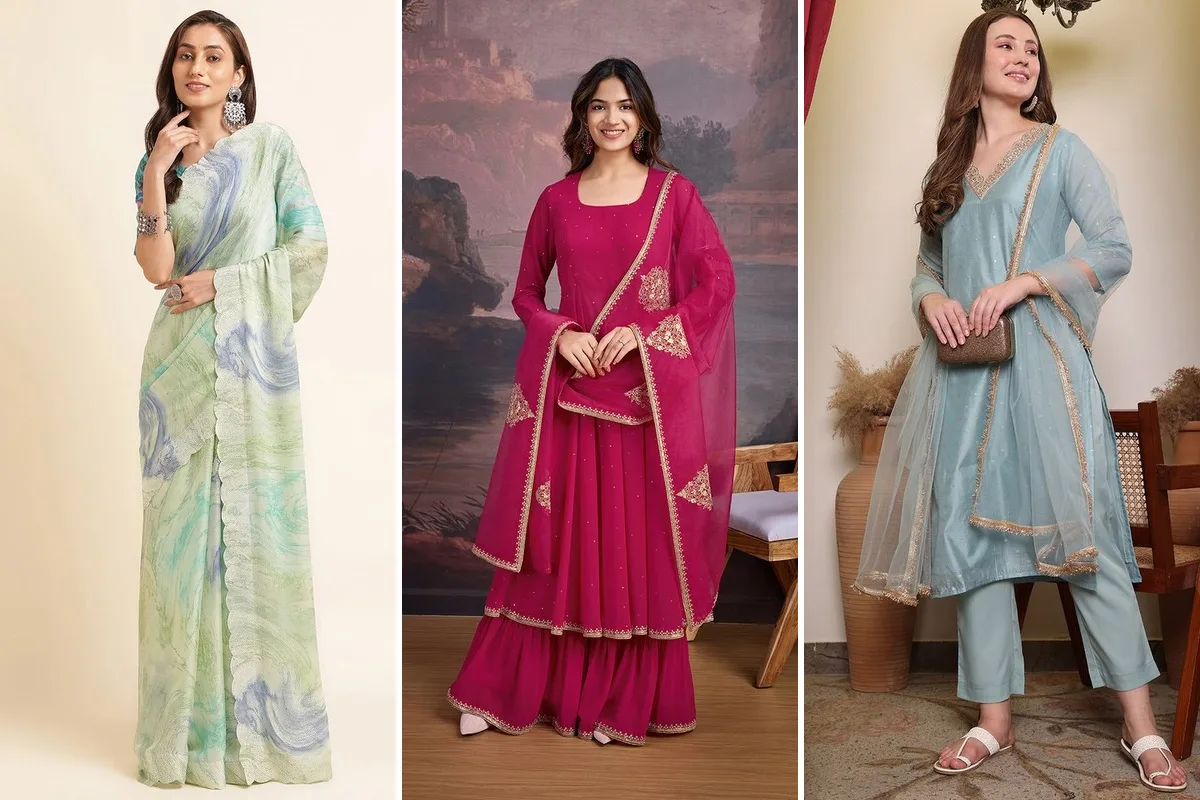
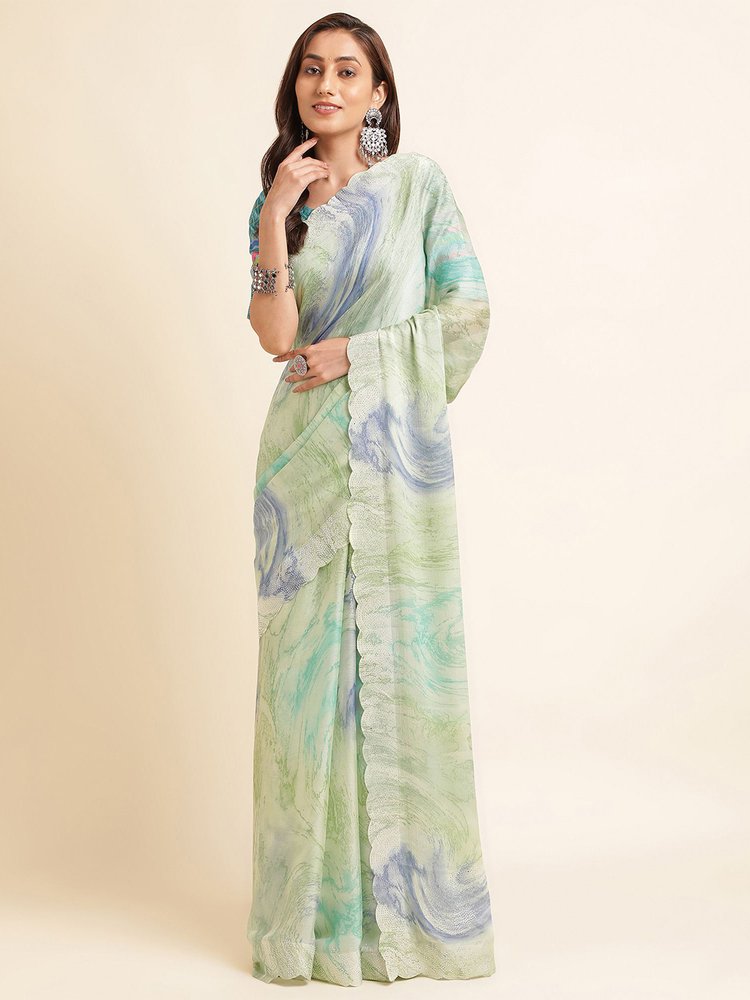
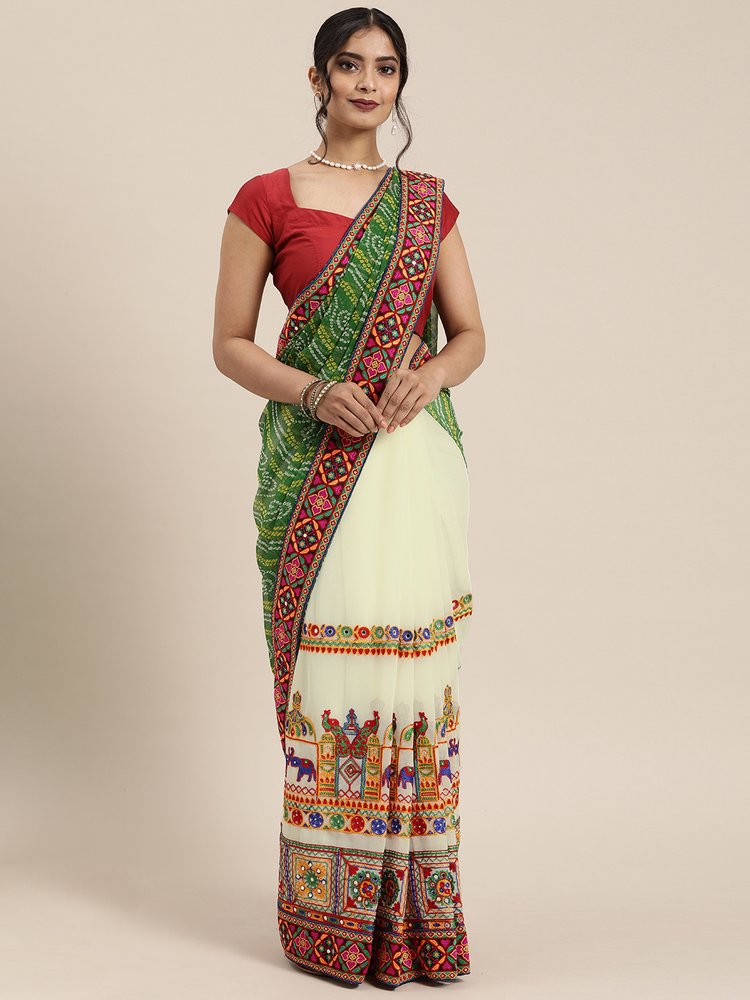
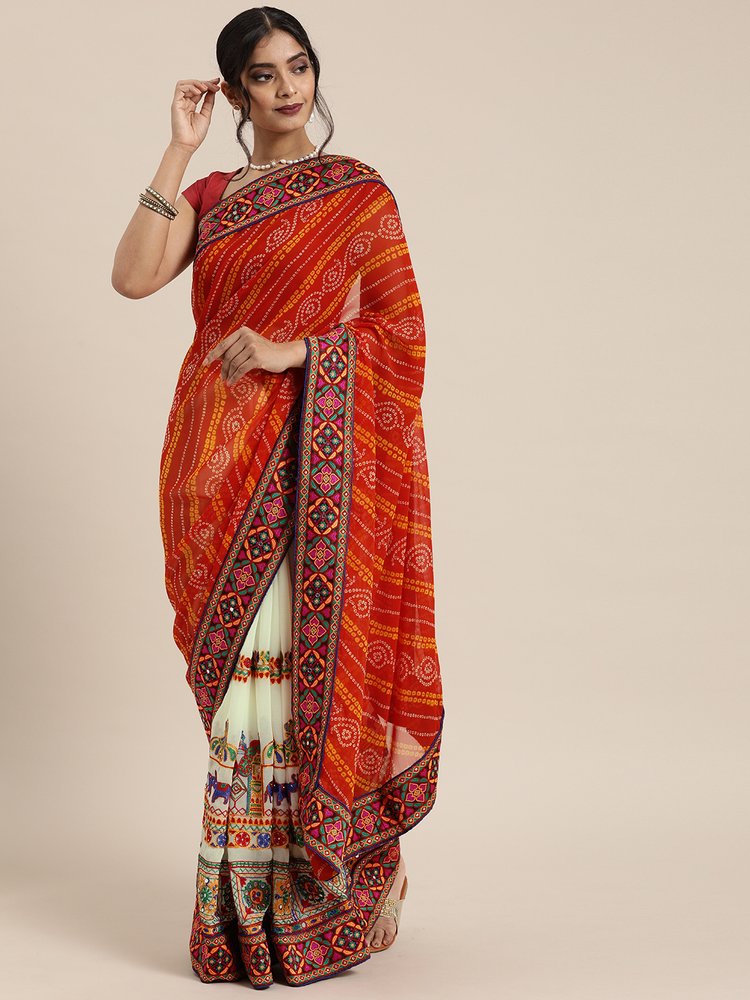
Light sarees for warm days
Pure chiffon, pure georgette and silk cotton, all easy to sit in for a long ceremony.


If you would rather not drape
This chanderi cotton set in powder blue is the outfit to reach for on a humid morning. It has three-quarter sleeves and a V-neck, and the sheer dupatta gives you shoulder cover without adding heat.
- Cotton keeps it comfortable in a courtyard
- Modest enough for a temple once the dupatta is on
What do you wear to a Tamil wedding in Singapore or Malaysia?
Wear a saree or a modest kurta set in a bright colour. Singapore's National Heritage Board describes Tamil Hindu weddings there as usually held in a temple, with a priest leading the rites, bright colours worn for luck and a feast at the end. Many Malaysian Tamil weddings also take place in temples.
Those details decide your outfit more than the invitation does. You may sit for a long stretch while garlands and blessed saffron rice travel through the room. Then the groom ties the thali, the gold pendant, around the bride's neck, and guests throw the rice. So choose something you can sit in, that will not mind a few grains, and that does not need holding in place.
The start time follows the muhurtham, the auspicious moment set by the priest, so it is often early and may land on a weekday. Malay Mail reports that Thai, roughly mid-January to mid-February, is the favoured month for Tamil couples, so invitations may cluster then. Be on time, because the key moment will not wait for you.
Close family often wear heavy silk sarees. As a guest you can go lighter, and a woven border gives you the same festive look with less weight. Not every wedding here is Tamil, of course. A Punjabi Sikh wedding at a gurdwara asks everyone to cover their head, and a North Indian family may add a sangeet night. Our functions checklist covers each event.
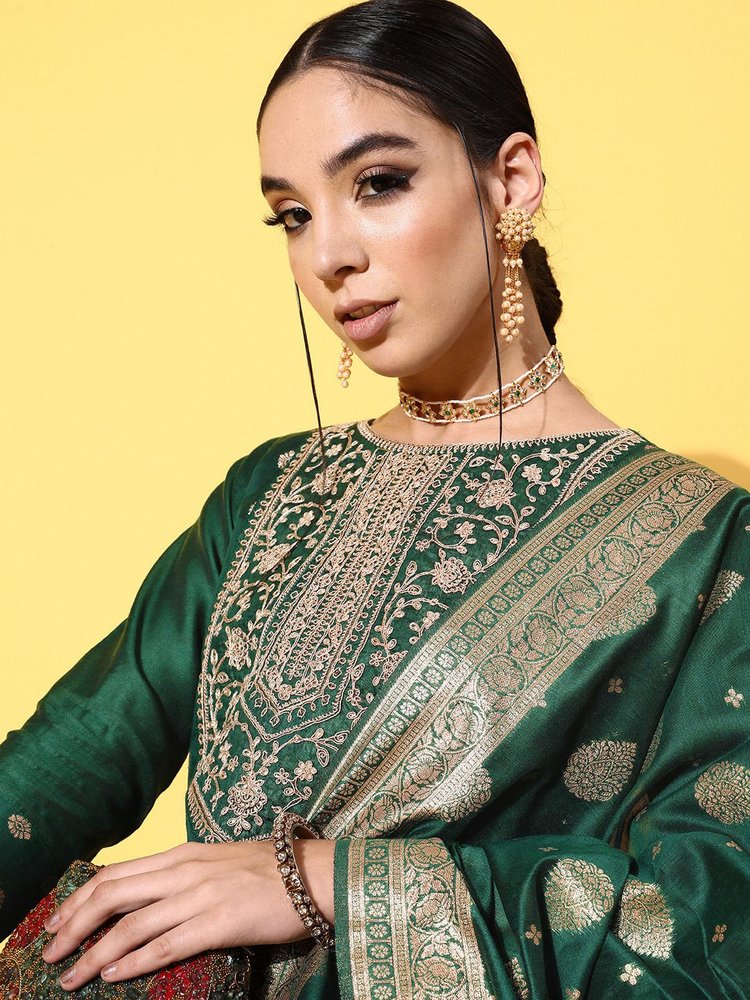
Kurta sets for a temple morning
Chanderi and cotton silk with sleeves, ready to wear with no draping.


What should you wear in an air-conditioned hall versus outdoors?
Wear the same light outfit for both, then add a layer indoors and lighter shoes outdoors. Halls in these cities can feel freezing after the walk from the car park, especially if your blouse is damp.
- Air-conditioned hall or ballroom: choose sleeves or a dupatta you can wrap around your arms. Heavier work and richer colour are comfortable here.
- Temple courtyard or open-sided hall: go for your lightest fabric, a looser fit and a floor-skimming hem you will not trip over barefoot.
- Garden or poolside function: pick flats, skip long trains, and keep hair off your neck. Have a plan for a sudden shower in Singapore or Malaysia.
- Moving between the two: keep a small cotton handkerchief and blotting papers in your bag, because glass doors bring out the sweat.
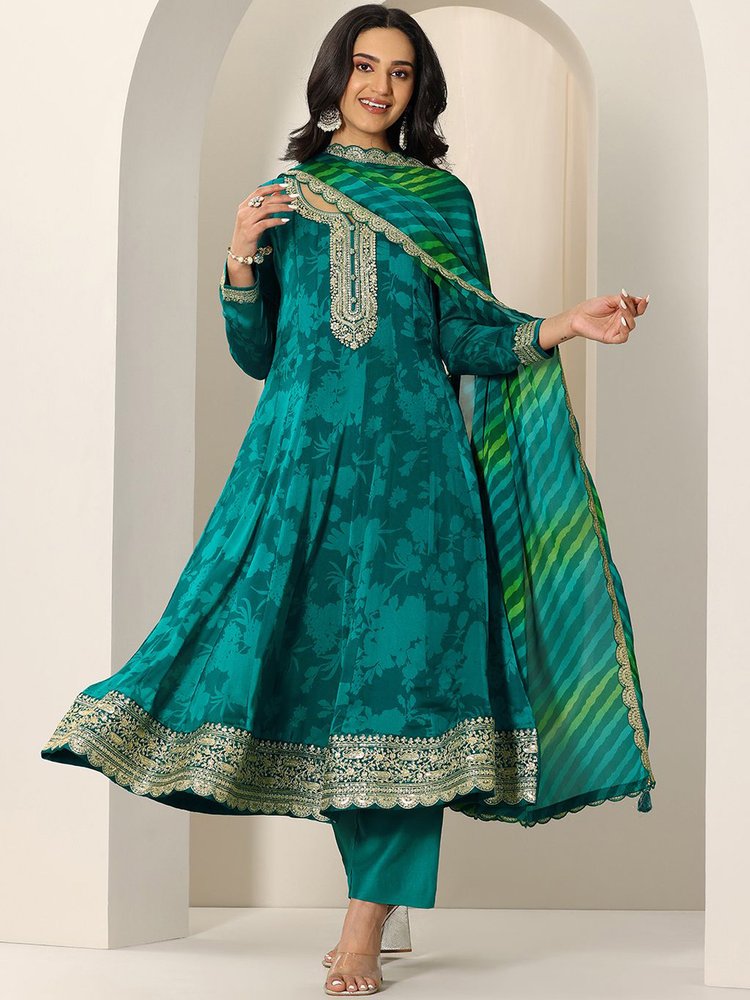
One outfit from courtyard to cold room
This silk chiffon anarkali has long sleeves, a full flared skirt and a printed dupatta. The skirt lets air move around your legs outdoors, and the sleeves and dupatta help once the air conditioning hits.
- Long sleeves suit temples and public areas
- The teal shade stays clear of bridal colours
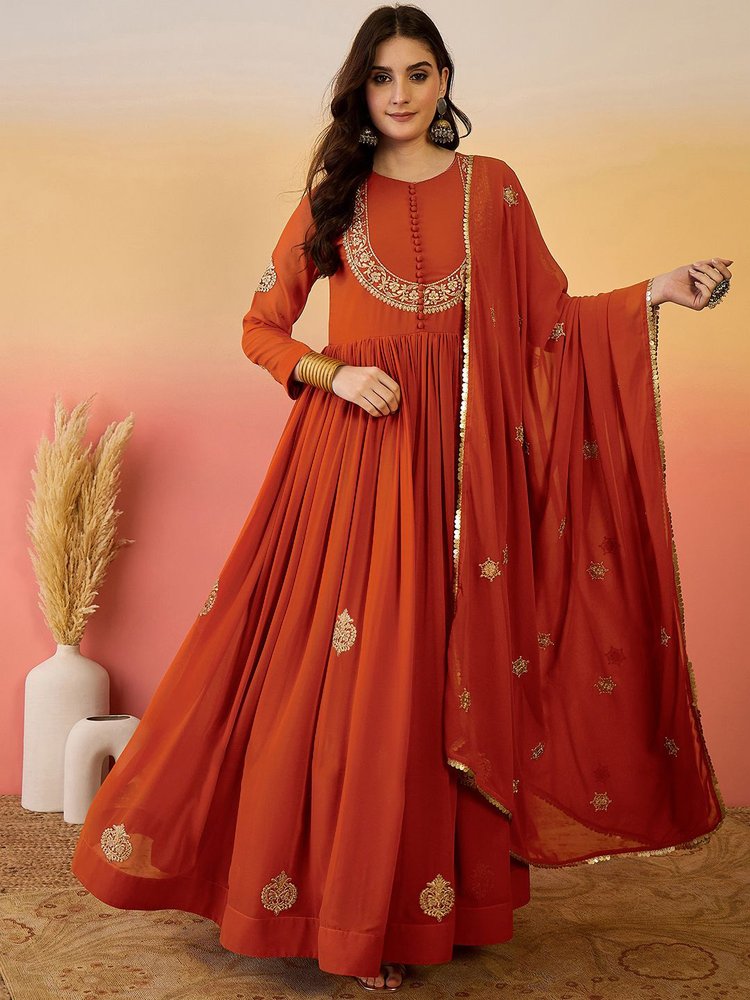
Georgette anarkalis that move
An anarkali is a long, flared kurta. The volume keeps it away from the skin.


What do you wear to an Indian wedding in a Dubai hotel ballroom?
Dress up. A ballroom reception is the night for sequins, embroidery, a light lehenga or an elegant long dress, because the room is cold and the lighting flatters shine.
The season still matters if any part of the wedding is outside. At Dubai airport, August averages about 41°C (105°F) by day and 31°C (88°F) at night, so a summer wedding stays indoors for good reason. January averages about 24°C (75°F) by day and 15°C (59°F) at night, and that is when families use lawns and terraces. For a winter terrace, bring a stole for after sunset.
Poly georgette and heavier work make sense here, since you will spend most of the evening in cool air. Browse more lehengas and gowns if you want a fuller look, or the Luxe Collection if the invitation says black tie.
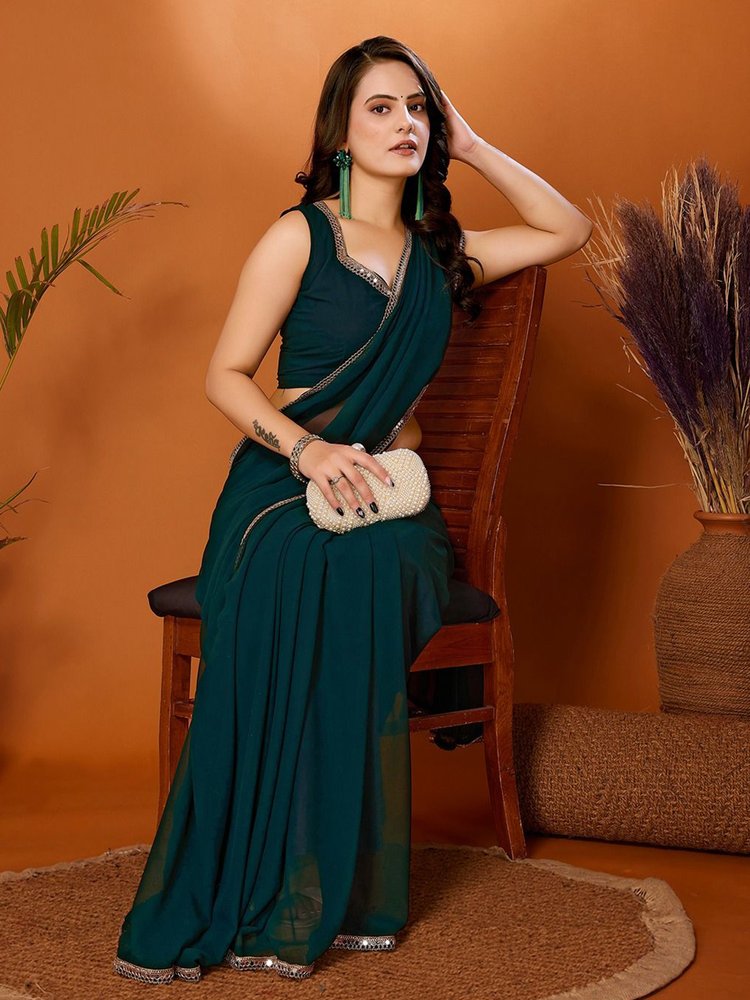
Evening looks for a cold ballroom
More shine, more work, and a comfortable choice once the air conditioning is on.


How covered do you need to be in temples and public spaces?
In a temple, cover your shoulders and knees and avoid anything clingy. In Dubai, cover your shoulders and knees in malls and other public areas, and treat the private ballroom as the family's call.
- Hindu temples: the natural waist gap of a saree is normal, and nobody will blink. A crop top with a low skirt is a different story, so add a dupatta or choose a longer blouse.
- Gurdwaras: cover your hair with a dupatta and take your shoes off. Men cover their heads too, and scarves are often available at the door.
- Dubai in public: visitor guides agree that there is no need for a headscarf outside a mosque, and that malls often post reminders about shoulders and knees. During Ramadan, cover a little more when out.
- Malaysia: dress more modestly away from the big city venues, and keep a wrap handy for the drive or a stop on the way.
- Singapore: public spaces are relaxed, so your only real check is the temple itself.
One dupatta or stole solves nearly all of this. Pack a neutral one that works with several outfits. For the mistakes people make most, see what not to wear.
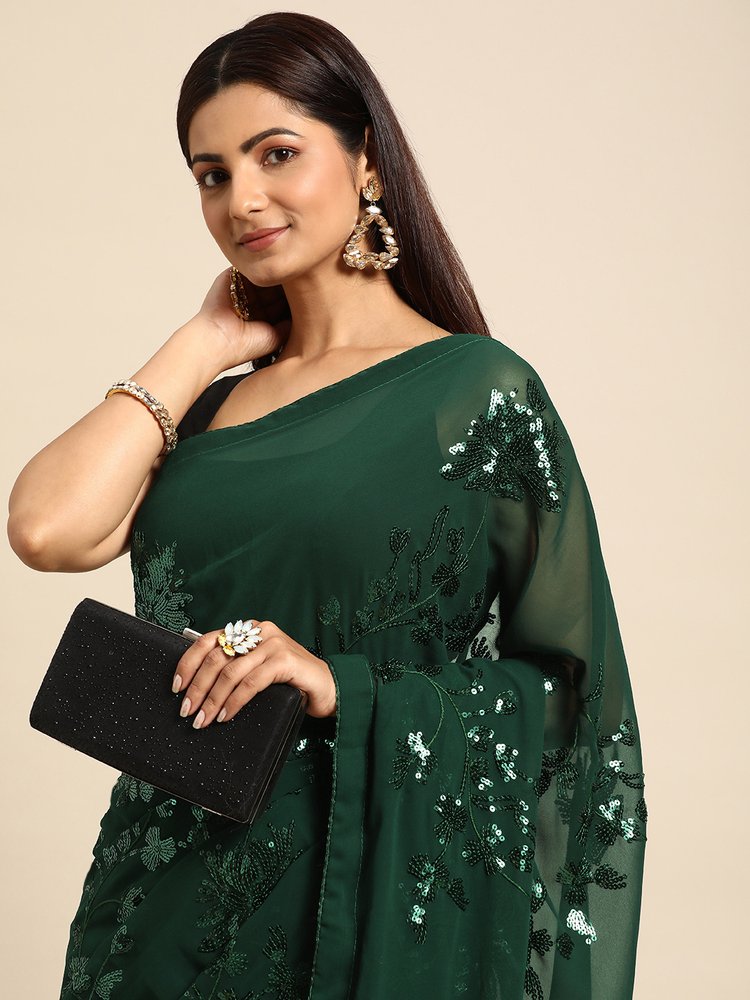
Dupattas that weigh almost nothing
Throw one over a sleeveless blouse or dress when the setting asks for it.


Can non-Indian guests wear western clothes?
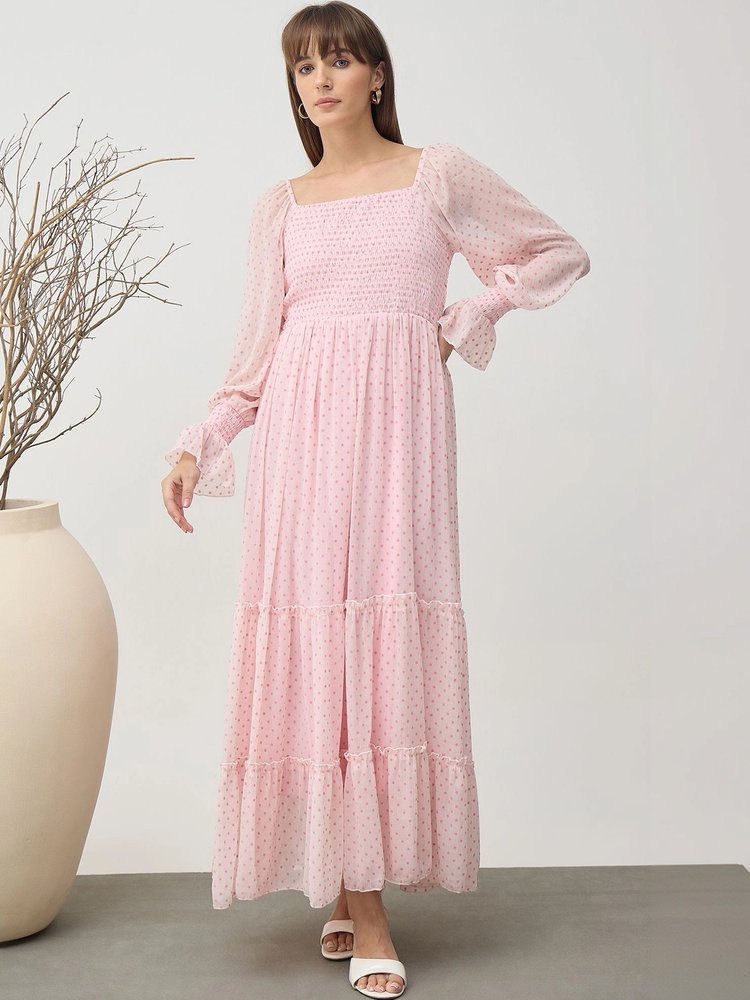
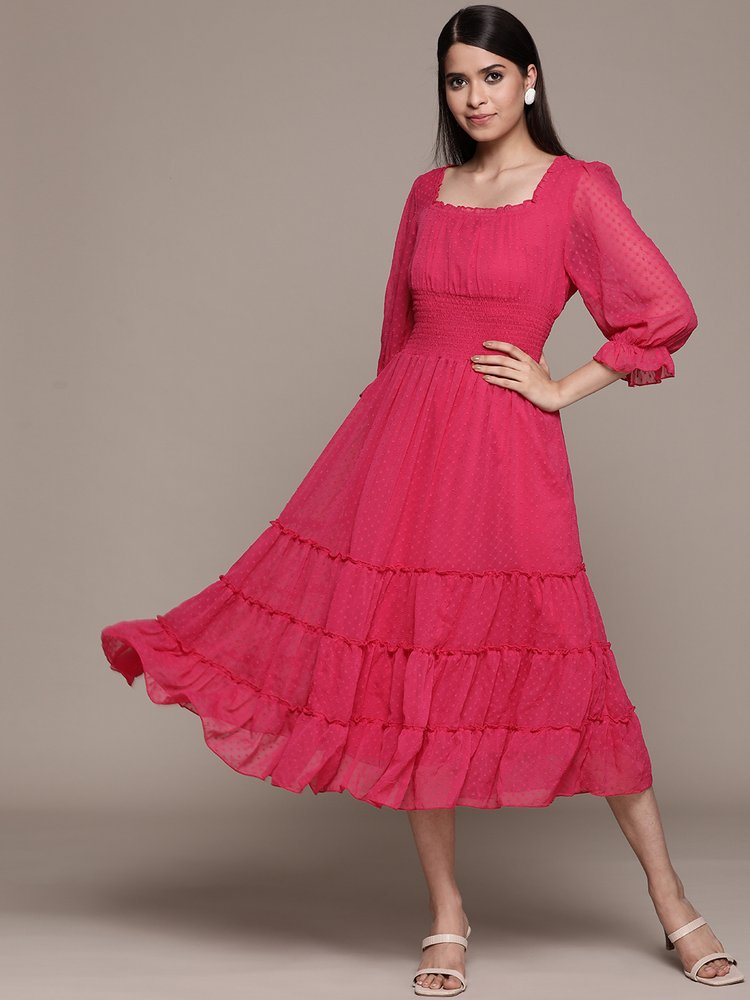
Yes. Friends and colleagues from every community attend these weddings, and a colourful long dress with sleeves is perfectly polite. In Malaysia and Singapore, guests may also come in their own formal wear, such as a baju kurung or a long-sleeved batik shirt, and that is a respectful choice too.
Trying Indian clothes is welcome if you would like to. A kurta set is the easiest place to begin, since it asks for no draping skills at all. If you prefer a dress, look for one of these.
Dresses with sleeves for a modest look
Chiffon and light layers, in colours that feel festive.

What should men wear?
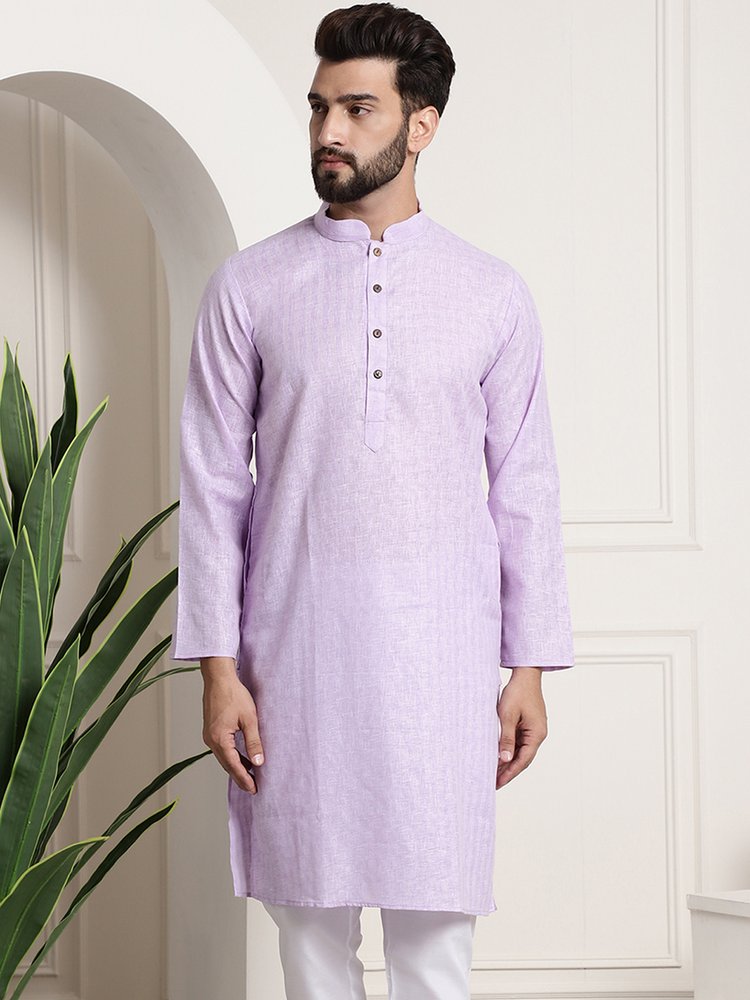
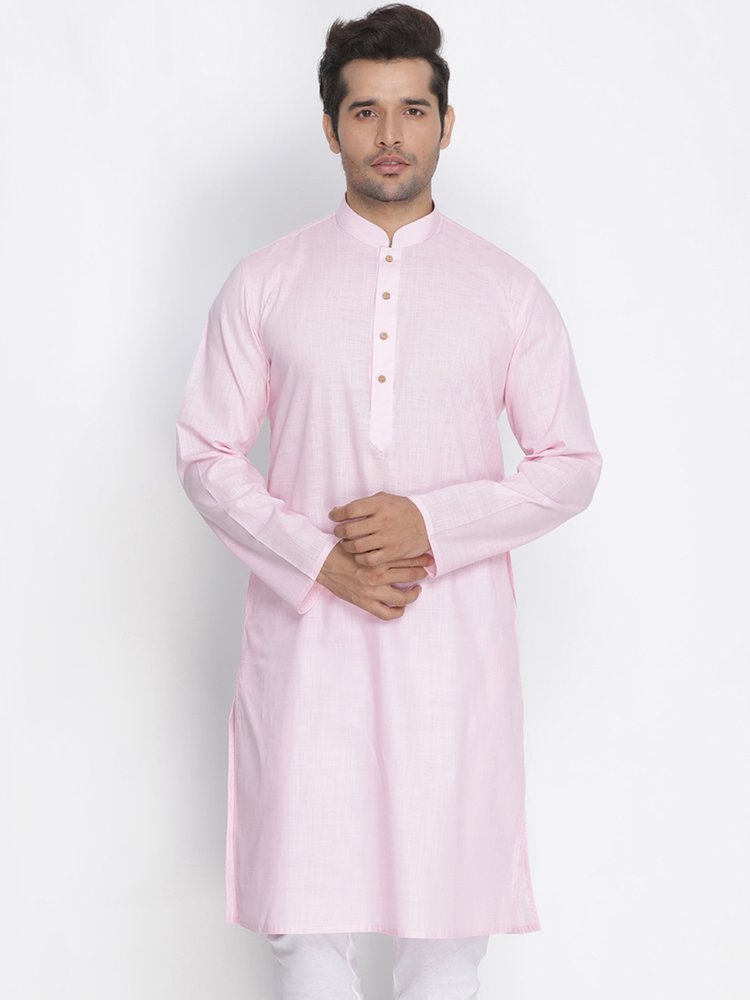
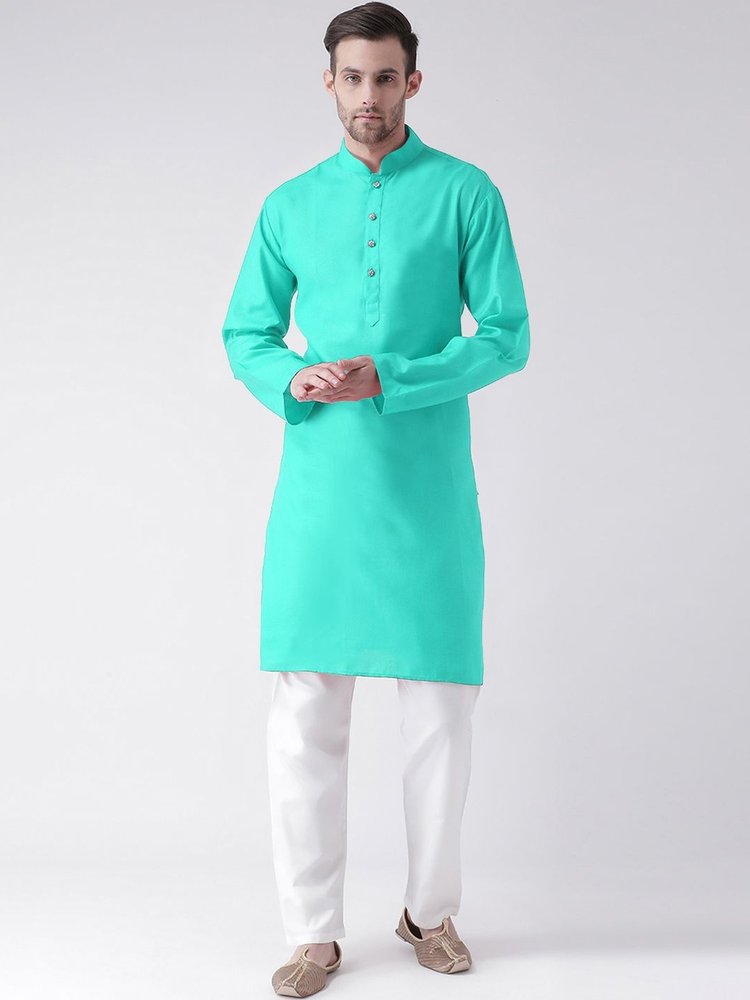
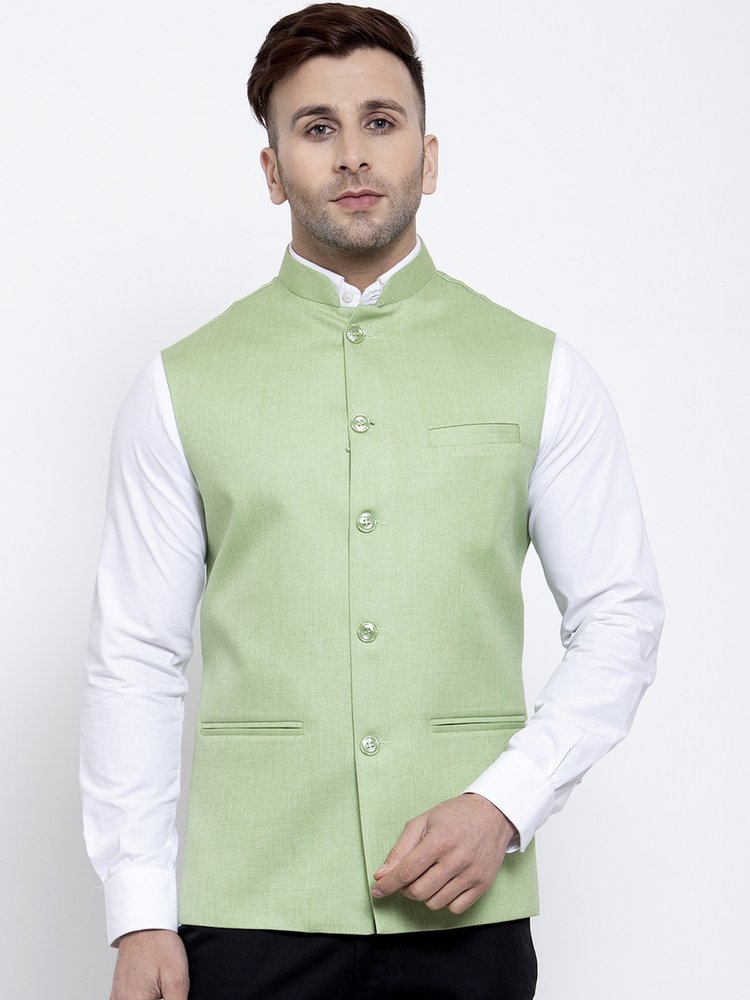
A linen or cotton silk kurta with light trousers or a churidar works in all three places. A churidar is a slim trouser gathered at the ankle. Add a Nehru jacket for a ballroom. Tamil men often wear a veshti, a white wrapped cloth, with a shirt, but guests are not expected to unless the family invites you to. Long trousers are the minimum for a temple, and shorts never work. Our men's guide goes deeper, or browse men's kurtas directly.
Cool layers for men
Linen blends and cotton silk for the day, plus a jacket for the evening.
Which shoes and accessories should you choose?
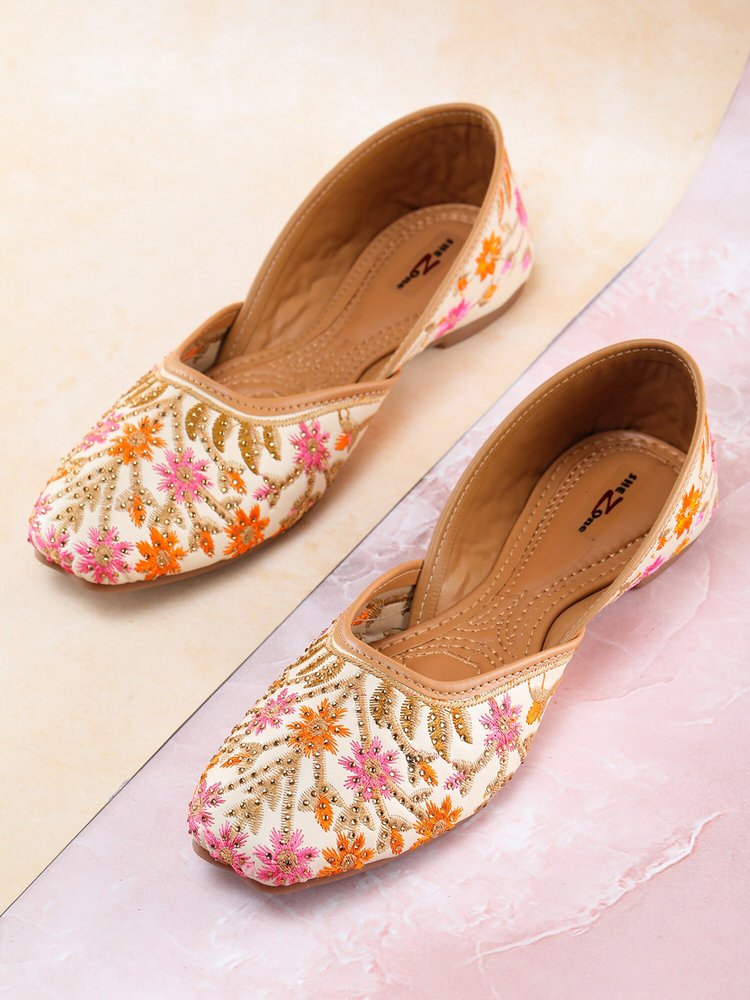
Choose slip-on flats, because you will take them off at the temple door and hunt for them later. Juttis and mojaris, the closed embroidered flats, are ideal. A bare toe is cooler if your feet swell in the heat. Keep heels for a carpeted ballroom.
Hair up beats hair down in humidity, and a jasmine string in a bun is a lovely nod to South Indian weddings if you enjoy flowers. Pick earrings with some air around them, like jhumkas, the bell-shaped drops, rather than a heavy necklace that sits against damp skin. Plated jewellery dislikes perfume and water, so spray first and wipe it down afterwards.
The small things
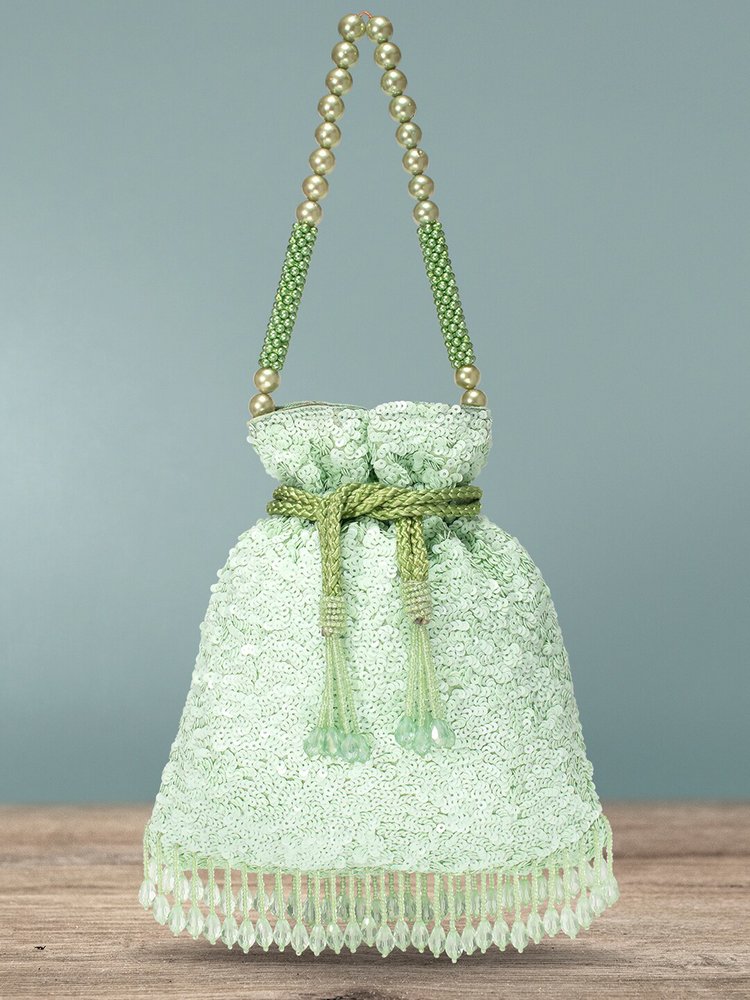
Easy flats, bell earrings and a drawstring bag big enough for a dupatta.


What should you pack and check before the day?
- Ask the family what each function is and where it is held: temple, hall, ballroom or garden.
- Check how much of the event is outdoors and at what hour.
- Try the full outfit, sit down in it for ten minutes, and walk a flight of stairs.
- Pack one neutral dupatta, safety pins, blotting papers, a small towel and slip-on flats.
- Hang silk and zari, the metallic thread, as soon as you can, and let damp clothes dry before folding them. Humidity is hard on both.
- Compare your bust, waist and hip measurements, in inches or cm, with each garment's own chart instead of trusting a size label.
Keep reading
Questions people ask
Can you wear black to a Tamil wedding?
It is best avoided. Many Hindu families see black as unlucky for a ceremony, and bright colours are the tradition. At a western-style evening reception a family may not mind, so ask if it matters to you.
Can you wear white to a Tamil wedding?
Plain white is linked with mourning in many Indian communities, so skip it. Cream or off-white with a strong coloured or gold border is a different matter and common in South India, but brighter is still the safe choice for a guest.
Can you wear red to a Tamil wedding?
Red is less restricted than at many North Indian weddings, but avoid looking bridal. Skip head-to-toe red with heavy gold. A red print or border on another colour is usually fine.
Is a sleeveless blouse acceptable at an Indian wedding in Singapore?
It is fine at a hotel dinner. In a temple, cover your shoulders with a dupatta or the saree's own loose end, and take your cue from the family.
Do I need to cover my shoulders at a wedding in Dubai?
Not necessarily inside a private ballroom, where the family sets the tone. In malls and other public areas, shoulders and knees are expected to be covered, so carry a stole if your outfit is sleeveless.
What should I wear to a morning temple wedding in Malaysia?
Choose a light cotton silk or chanderi kurta set, or a chiffon saree with a blouse you are comfortable in. Add slip-on flats and a dupatta. You will be warm, seated for a while and barefoot at some point.
About the numbers
- Singapore Department of Statistics, environment reference, based on Changi climate station records, read 2026-11-03: Long-term 1991-2020 average daily maximum 31.6°C and minimum 25.0°C; 24-hour mean relative humidity 77.9% in 2024 and 81% in 2025
- WeatherSpark, Kuala Lumpur year-round averages, read 2026-11-03: Temperatures typically range from 73°F to 91°F
- WeatherSpark, Dubai International Airport year-round averages, read 2026-11-03: August average high 105°F and low 88°F; January average high 75°F and low 59°F; Celsius figures converted and rounded
- Roots, Singapore National Heritage Board, Tamil-Hindu Weddings, read 2026-11-03: Temple setting, priest, bright colours for luck, garlands and saffron rice, the thali, and a feast at the end
- Malay Mail, 27 January 2025, on why Tamil couples marry in the month of Thai, read 2026-11-03: Thai runs from about mid-January to mid-February; auspicious dates mean weekday weddings are common
- Dubai visitor and resident dress code guides, read 2026-11-03: Advice to cover shoulders and knees in malls and public areas, no headscarf needed outside a mosque, more modest dress during Ramadan; no official dress code page was found, so wording is general
- Google autocomplete, US, read 2026-11-02: Phrases such as what to wear to a tamil wedding as a guest and can you wear black to a tamil wedding