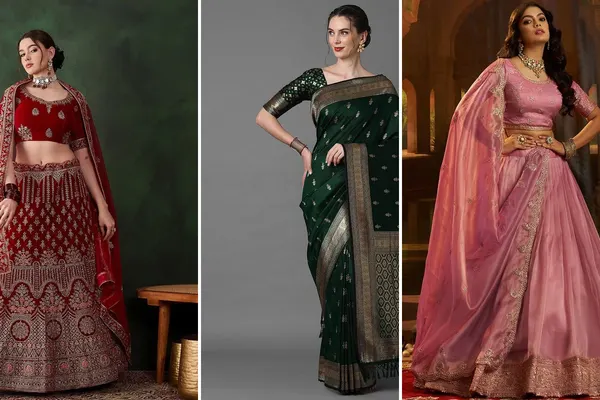
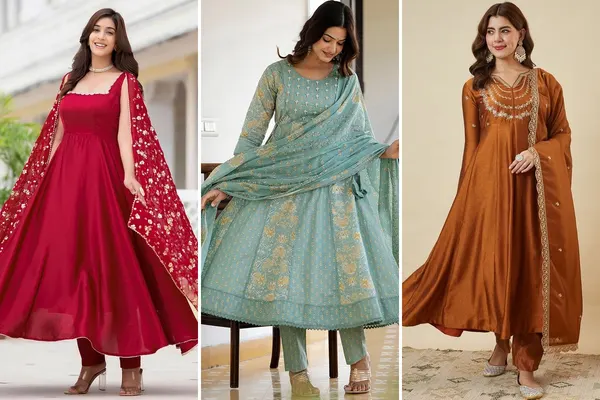
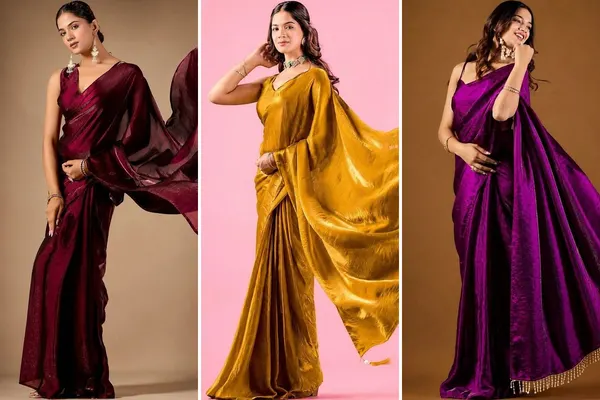
Saree vs Lehenga: Which Is Easier, and Which Suits Your Function?
A lehenga is easier to wear and dance in. A saree is easier to fit and re-wear, and it reads more formal at a ceremony. Choose by the function, your experience and how often you will wear it again.
In short
- A lehenga is easier to put on and move in, because it is a skirt with a fastening, while a saree is one long cloth that has to be pleated and pinned.
- A saree is easier to fit, because only the blouse is sized and the cloth wraps to suit any waist.
- For a dance-heavy sangeet choose a lehenga, for a religious ceremony choose a saree, and for a reception either one works.
- A pre-draped saree slips on like a skirt, which removes most of the difficulty of a traditional saree.
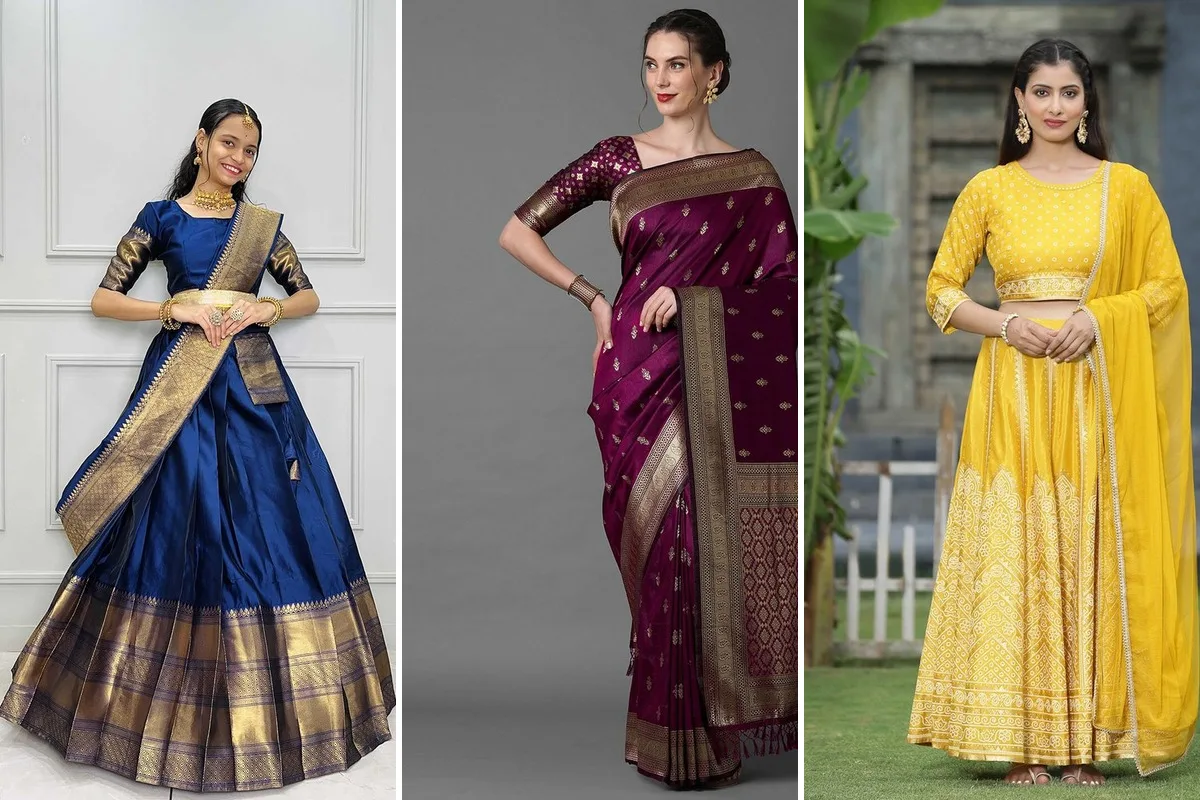
- A half saree is a skirt, a blouse and a long diagonal drape, so a lehenga with a dupatta of about 2 m (6.5 ft) or more can recreate the look.
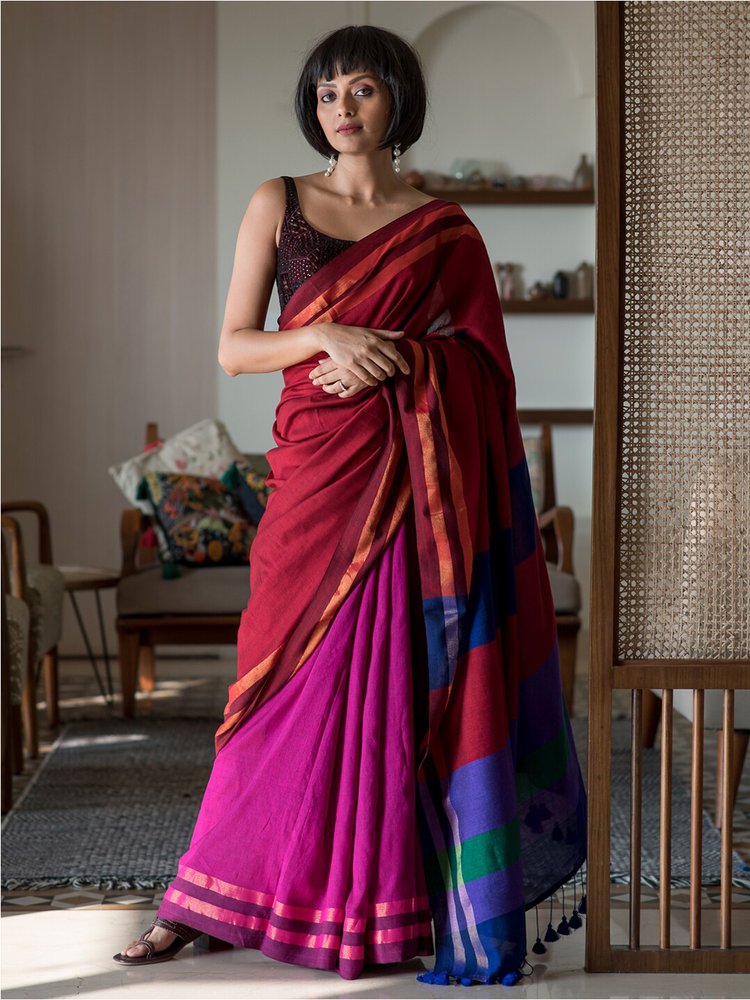
A lehenga is the easier outfit to wear and move in; a saree is the easier one to fit and re-wear. A saree is one long cloth draped over a blouse and petticoat. A lehenga is a flared skirt worn with a fitted blouse and a dupatta, a long scarf. Dance in the lehenga; sit through ceremonies in the saree.
Neither is more correct, and many women wear both in one wedding week. Below: how each behaves on the day, what it needs beyond the outfit, what the sizes mean, and how to wear each again. Browse sarees and lehengas as you read.
What is the difference between a saree and a lehenga?
The difference is construction: a saree is unstitched cloth that you shape on your body, and a lehenga is already cut and sewn into a skirt. That single fact explains nearly every point in this table.
| Saree | Lehenga | |
|---|---|---|
| What you get | A long cloth, usually with fabric for a blouse | Skirt, blouse (choli) and usually a dupatta |
| Getting dressed | Pleating and pinning take practice, or a helper | Step in, fasten, then pin the dupatta |
| Walking and dancing | Pleats limit your stride | Free stride, and the skirt swings as you turn |
| Sitting for hours | Comfortable once settled, with no bulk underneath you | A big skirt spreads out and can feel warm |
| Stairs and wet ground | Lift the pleats with one hand | Lift the skirt with both hands, as heavy hems drag |
| Fit | Only the blouse is sized | Skirt waist, length and blouse must all suit you |
| Packing | Folds flat | Takes more room, especially net and flared styles |
| Wearing it again | Change the blouse and it looks new | Split the pieces and wear them separately |
Which is easier to wear, a saree or a lehenga?
A stitched lehenga is easier, especially for a first-timer. It has a zip or drawstring, stays put, and only the dupatta needs a pin or two. A traditional saree relies on the pleats and the pallu, the loose end over the shoulder, and both can shift through a long evening if the pinning is rushed.
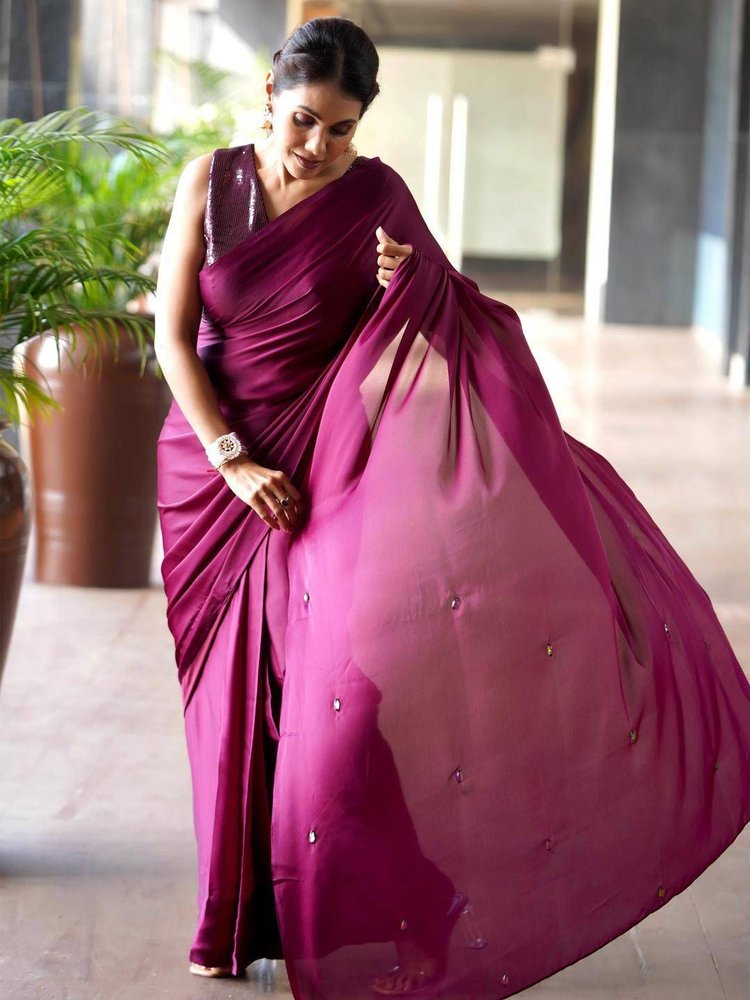
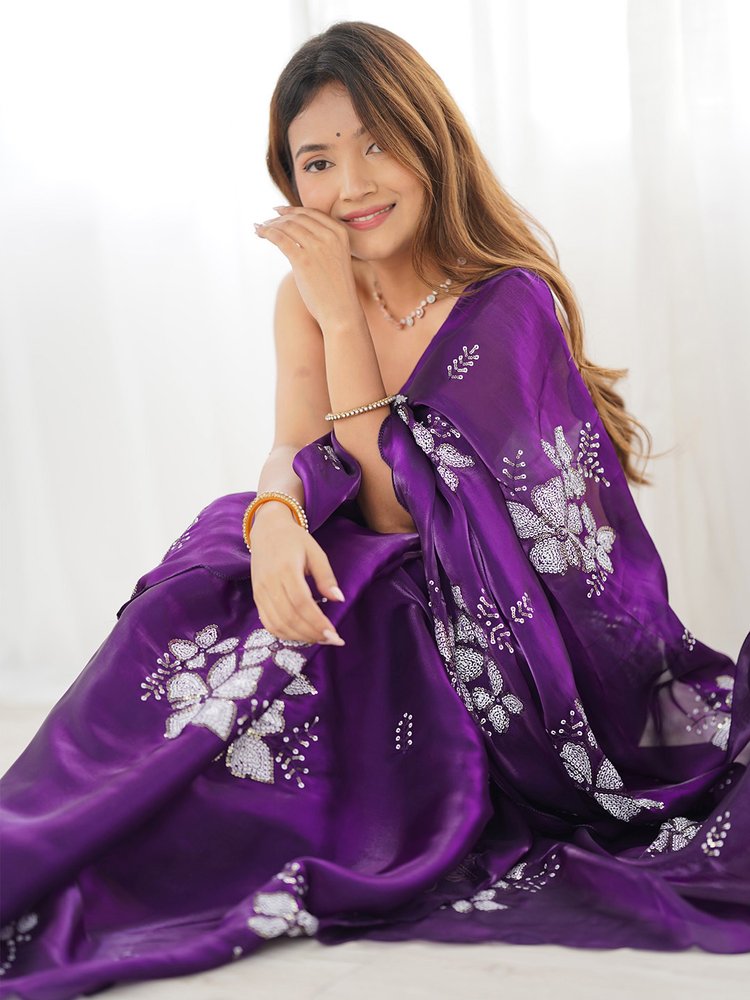
There is a shortcut. A pre-draped saree has its pleats stitched in, so you step in and fasten it, and that closes most of the gap. Some state a wide waist range: the green satin one below lists 24 to 46 in (61 to 117 cm).
Sarees with the draping already done
Satin for evenings, a cream linen blend for quieter days.



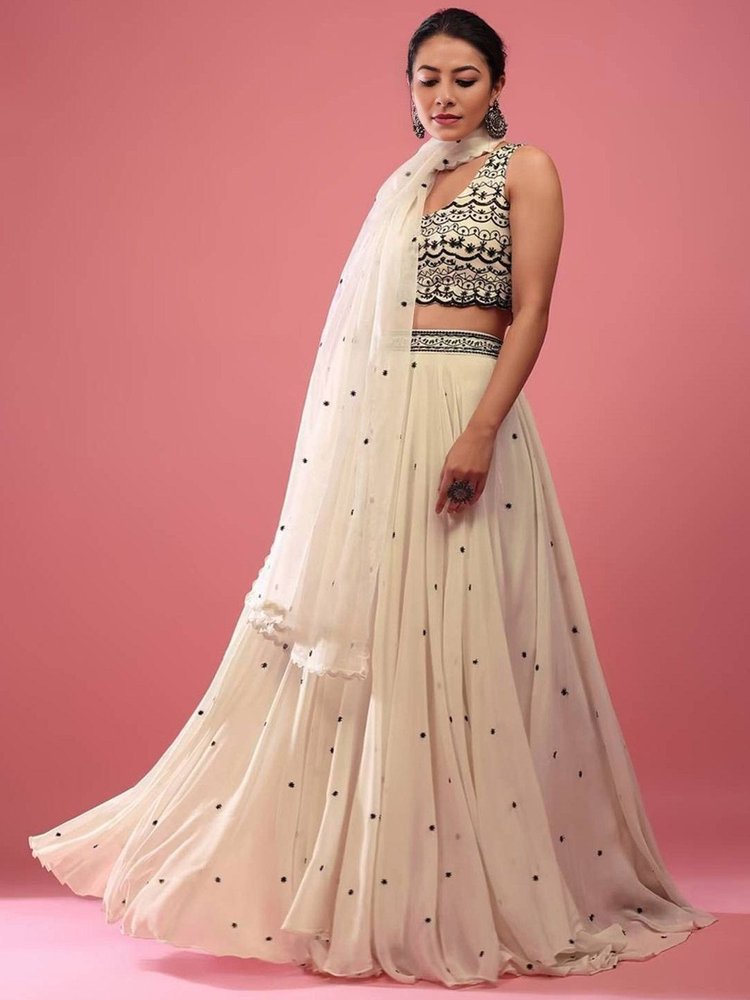
Lehengas that arrive with a stitched blouse
Each has a ready-to-wear blouse, so no tailor is needed to start.


Lehenga or saree for a wedding guest: which suits each function?
Match the outfit to what you will physically be doing at each function. Our guide to wedding functions covers every event in full, and our guest guide covers colours, cover and shoes. Here is the short version for this choice.
| Function | Saree works if | Lehenga works if | Easier choice |
|---|---|---|---|
| Haldi (the turmeric ritual) | It is cotton you do not mind marking | It is light cotton, ideally yellow | Lehenga |
| Mehendi (the henna party) | It is pre-draped, as your hands will be busy | It is printed and light, with short sleeves | Lehenga |
| Sangeet (the music and dance night) | It is pre-draped and well pinned | The flare swings and the hem clears your shoes | Lehenga |
| Wedding ceremony | It is silk or zari, a metallic thread weave | It is rich and the dupatta covers your shoulder | Saree |
| Reception | It is satin, sequins or organza | It is net or embroidered, as glamorous as you like | Either |
The ceremony leans towards a saree for a practical reason. It often means hours of sitting, sometimes in a temple, and a pallu covers your waist and shoulder without any fuss. If a formal function is your only event, a lehenga is still welcome, and you can pin the dupatta across your front for the same cover.
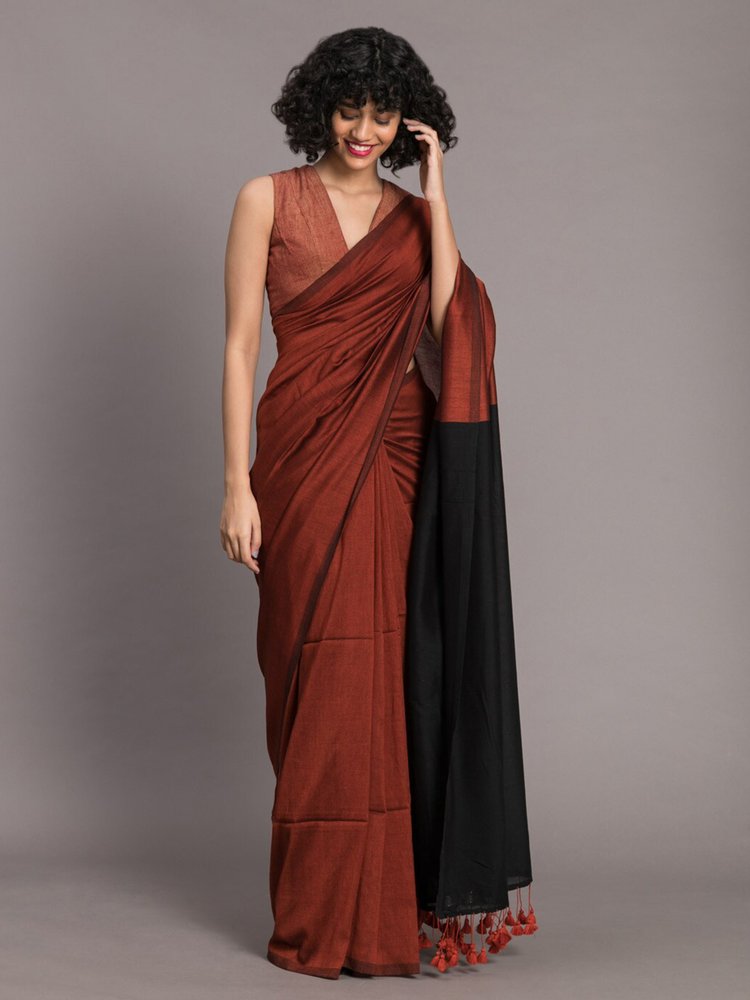
Light and easy for daytime functions
Two cotton lehengas and two cotton-blend sarees that handle a warm afternoon.


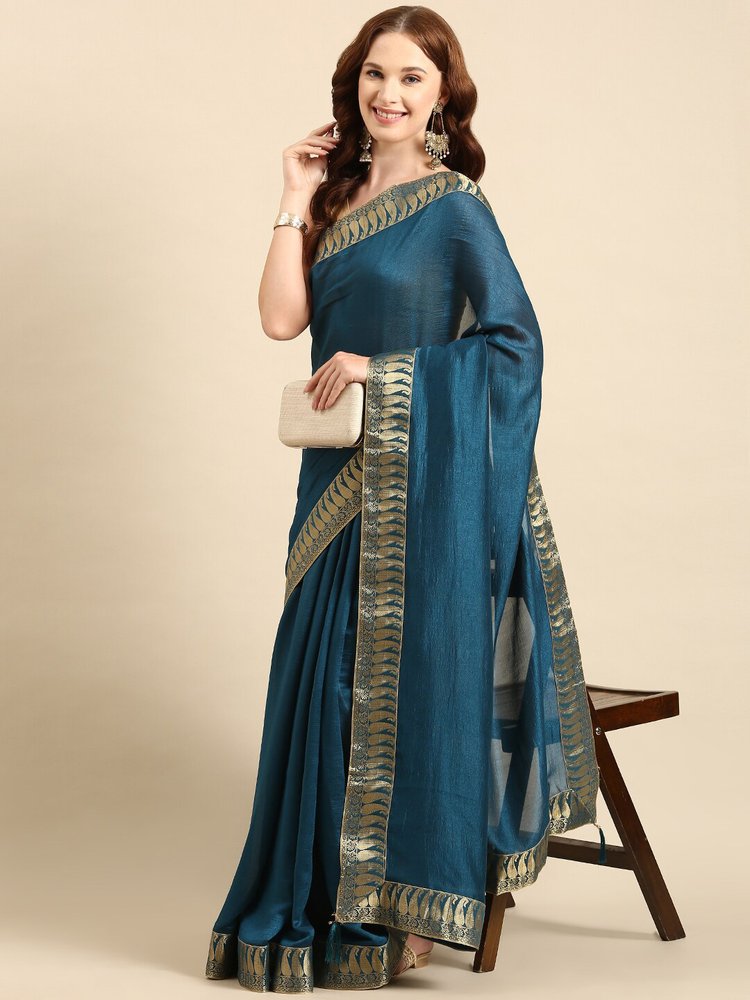
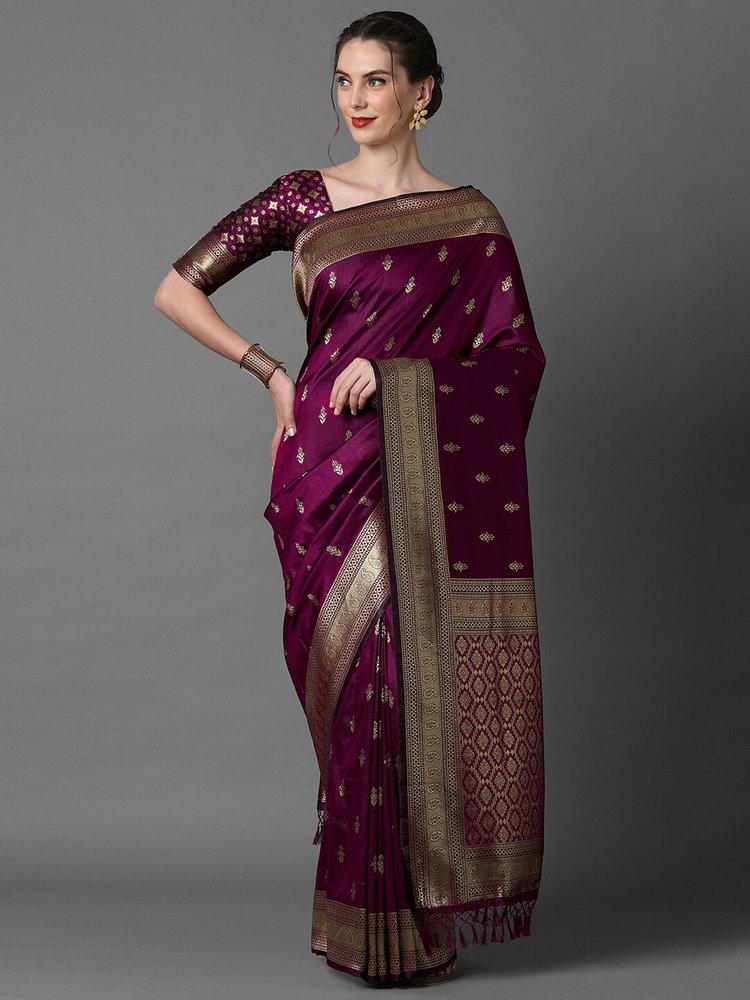
Woven sarees for the ceremony
A Banarasi silk blend and a Kanjeevaram-style organza, both with zari.

Evening shine, both ways
A sequinned organza saree and three lehengas with embroidered, sequinned work.


What do saree and lehenga sizes mean in inches and centimetres?
A saree is nearly one-size: about 19 in 20 of the sarees on this store are listed at 5.5 m (6 yards) of drape, plus about 0.8 m (31 in) of blouse fabric on most, at about 1.06 m (42 in) wide. Longer styles exist, including 6.5 m. A lehenga has real sizes, so we read the charts of about 280 lehengas here.
| Lehenga size | To fit waist | Skirt length | Blouse length |
|---|---|---|---|
| S | 28 in (71 cm) | 40 in (102 cm) | 15 in (38 cm) |
| M | 30 in (76 cm) | 40 in (102 cm) | 15 in (38 cm) |
| L | 32 in (81 cm) | 40 in (102 cm) | 15 in (38 cm) |
| XL | 34 in (86 cm) | 40 in (102 cm) | 16 in (41 cm) |
| XXL | 36 in (91 cm) | 40 in (102 cm) | 16 in (41 cm) |
| One size (often semi-stitched) | Adjusted by a tailor | 43 in (109 cm) | 15 in (38 cm) |
Skirt length barely moves with size, and most sized lehengas fall between 38 and 42 in (97 to 107 cm). So if you are tall, read the length rather than sizing up. Measure from your waist to the floor in the shoes you will wear. Semi-stitched lehengas that state a limit commonly take the waist up to 40 to 44 in (102 to 112 cm), and our Indian size chart converts US, UK, EU and AU sizes.
Which suits your body shape?
Both suit every body, and the real question is which line you enjoy wearing. A saree draws one long unbroken line. A lehenga defines the waist and adds volume below it. These notes are about how each one behaves, not about changing anything.
- If you are petite: a saree's long line works well with a slim border. In a lehenga, a lighter flare and a high waist keep the proportions balanced, and a hem can be taken up.
- If you are tall: a saree has plenty of cloth to spare. A lehenga needs checking, as the common 40 in (102 cm) skirt may stop short, so look for 42 in (107 cm) or more.
- If you have a fuller bust: a structured blouse with wider straps or sleeves gives support in either outfit, and a longer choli is worth asking your tailor for.
- If you carry more at the hips: an A-line lehenga falls cleanly from the waist, and soft georgette or chiffon sarees drape closer than stiff organza or cotton.
- If you prefer cover at the middle: a saree's pallu can fall open across the front, and a lehenga with a longer choli and a high waist closes the gap.
Which costs more to own over time?
Compare what each one needs beyond the outfit, then how many times you will wear it. A saree usually needs more small extras at the start, and a lehenga usually needs more care and storage later. Over several years, the saree tends to be the easier one to keep wearing, because your size changes matter less.
| What to plan for | Saree | Lehenga |
|---|---|---|
| Blouse | Usually a fabric piece that needs a tailor, or buy a stitched one | Ready-to-wear styles have one stitched; others need a tailor |
| Layer underneath | A petticoat or saree shapewear, which saree listings here do not mention including | Often lined, so check the listing |
| Finishing | A plain saree may need a fall, a strip sewn inside the hem for weight | Usually none, though a long skirt may need hemming |
| Cleaning | Zari and silk blends often say dry clean; many cotton blends can be hand washed | Net, sequins and velvet usually say dry clean |
| Storage | A flat fold | More room, and heavy work is better kept flat than hung |
| If your size changes | Only the blouse needs altering | Waist and blouse both need altering, if the seams allow it |
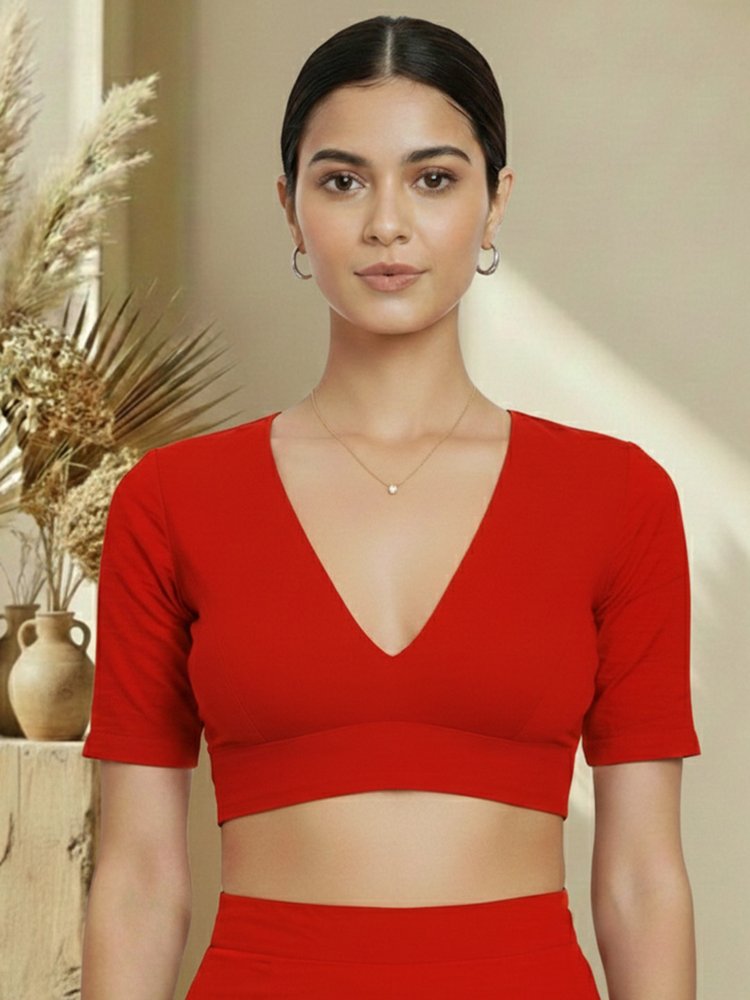
The pieces a saree may need
A stitched viscose blouse with a zip, and a slim saree shapewear in place of a petticoat.

How do you re-wear a saree or a lehenga?
A saree re-wears by changing what goes with it, and a lehenga by breaking it into separates. Either way, a piece you will wear again is usually a better choice than the outfit that only works for one night.
- Saree, new blouse: a plain sleeveless blouse reads modern, a brocade or velvet one reads festive, and a fitted shirt or turtleneck works for a dinner.
- Lehenga skirt on its own: wear it with a crisp shirt tied at the waist or a simple crop top for a party.
- Choli on its own: try an embroidered blouse with a plain saree, or with high-waisted trousers.
- Dupatta on its own: throw it over a plain kurta set and it instantly looks dressier.
Pieces that are easy to wear again
A printed skirt and blouse with no dupatta to manage, a woven art silk set, and a soft floral organza saree.


For a cold-weather wedding
An embroidered velvet lehenga and a velvet blouse that dresses up any saree.


What about a half saree?
A half saree sits between the two: a skirt and blouse like a lehenga, with a long drape worn diagonally like a saree's pallu. Also called langa voni or pavadai davani, it is traditional in South India, where it is worn by younger girls and at coming-of-age ceremonies. The drape is about 2 to 2.5 m (6.5 to 8 ft) long.
You can get the look from a lehenga. Tuck one end of the dupatta in at the waist, take it across your front and pin it at the shoulder. The lehenga dupattas we checked ran from 1.9 to 2.5 m, so look for 2 m (6.5 ft) or more. Do not confuse this with a half-and-half saree, which is an ordinary full saree in two contrasting colours or fabrics.
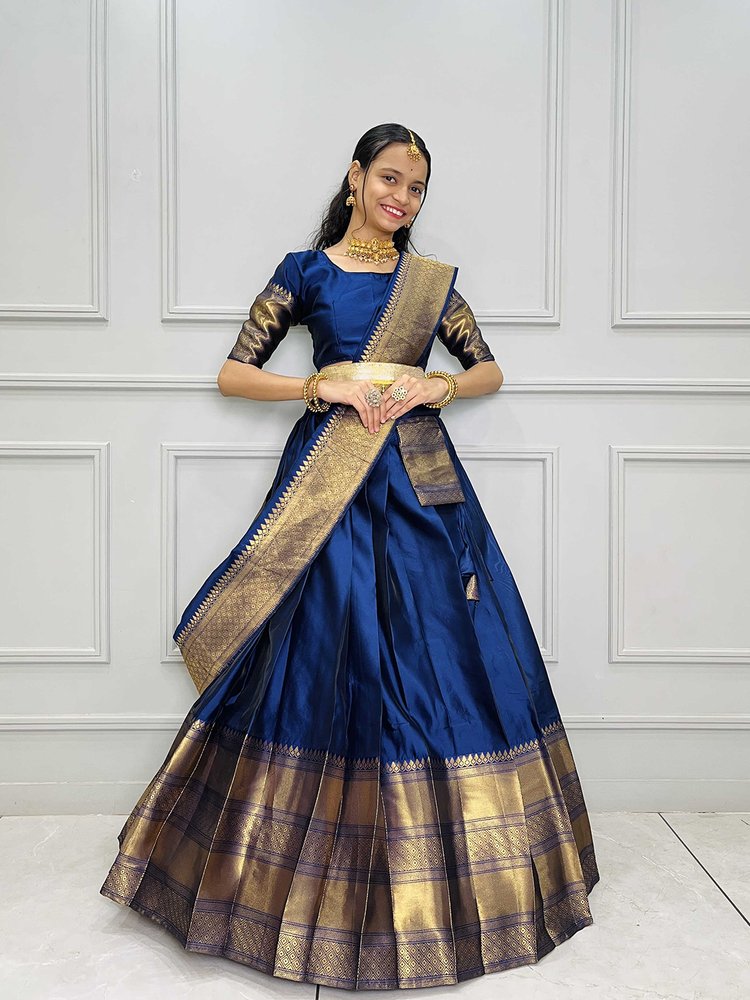
A lehenga worn half saree style
This navy art silk set is shown with its dupatta wrapped across the front, which is exactly the half saree line. The skirt is semi-stitched, so a tailor sets the waist.
- Skirt length 42 in (107 cm), waist up to 40 in (102 cm)
- A 2.5 m (8 ft) dupatta gives plenty to wrap
- Blouse fabric is unstitched, so allow time for a tailor
Half-and-half sarees, for comparison
Full-length sarees, split into two colours. No skirt involved.


How do you choose between a saree and a lehenga?
Answer these five questions in order, and stop at the first clear yes.
- Will you spend the night dancing? Choose a lehenga.
- Is it a religious ceremony with long stretches of sitting? Choose a saree.
- Have you never draped a saree, with nobody to help on the day? Choose a stitched lehenga or a pre-draped saree.
- Is there too little time for a tailor? Choose anything with a ready-to-wear blouse.
- Do you want to wear it often for years? Choose a saree, or a lehenga simple enough to split into separates.
Still undecided? Choose the lehenga for your first big event, as it is harder to get wrong. Then read what not to wear, or browse the wedding guest edit and the Luxe Collection for both.

An easy first lehenga
This mustard silk set has foil print and mirror work, a stitched blouse with three-quarter sleeves, and a net dupatta. It suits a haldi, a mehendi or a daytime lunch, and it needs no tailoring to begin with.
- Ready-to-wear skirt and blouse
- A 2.5 m (8 ft) dupatta, long enough for a half saree wrap
- The care label says dry clean
Keep reading
Questions people ask
Is a saree or lehenga better for a wedding guest?
Both are welcome. Choose a lehenga for a sangeet or any function with dancing, and a saree for the ceremony. For a reception, wear whichever you feel at ease in. If you are going to several functions, wear one of each.
Which is more formal, a saree or a lehenga?
The fabric decides more than the garment does. A zari silk saree is highly formal, and so is a heavily embroidered lehenga, while cotton versions of both are casual. At a traditional ceremony a silk saree tends to read as the more formal of the two.
Is a lehenga heavier than a saree?
It often is, because the skirt holds a lot of cloth, and listed flares run from about 2.5 to 4 m (8 to 13 ft). Embroidery, sequins and velvet add more. Light cotton or georgette lehengas are much easier to carry through a long day.
What is the difference between a saree, a lehenga and a salwar kameez?
A saree is draped cloth, a lehenga is a skirt with a blouse, and a salwar kameez is a tunic with pants. The salwar kameez is the simplest of the three to wear. See our kurta set guide if pants sound better to you.
Can I wear my lehenga as a saree?
You can get close. Wrap a long dupatta across the front and pin it at the shoulder for a half saree look over the skirt. Check that the dupatta is about 2 m (6.5 ft) or more, or the wrap will not reach.
About the numbers
- TiaBow size charts, about 280 lehengas, read 3 November 2026: Median to-fit waist, skirt length and blouse length by size; the middle 80% of sized skirt lengths ran about 38 to 42 in; one-size lehengas had a median length of 43 in.
- TiaBow product details, about 11,000 sarees and the lehengas shown here, read 3 November 2026: About 19 in 20 sarees state 5.5 m of drape and about 9 in 10 state a 0.8 m blouse piece, usually at about 1.06 m wide; no saree listing mentions a petticoat; lehenga dupattas shown ran 1.9 to 2.5 m and flares 2.5 to 4 m; waist limits of 40 to 44 in on the semi-stitched lehengas that state one.
- Wikipedia, Half sari (langa voni), read 3 November 2026: The pieces, the 2 to 2.5 m drape, and where and by whom it is traditionally worn.
- Wikipedia, Sari and Ghagra choli, read 3 November 2026: What each garment consists of and what is worn beneath a saree.