What Not to Wear to an Indian Wedding: 9 Mistakes and Better Picks
Skip plain white, bridal red and head-to-toe black at the ceremony, plus bare shoulders, tricky shoes and anything that outshines the bride. Here is what to wear instead.
In short
- The three colours to check before wearing to an Indian wedding ceremony are plain white, bright bridal red and all black, because each carries a meaning in many families.
- Colour rules change by community: a Kerala bride may wear cream and gold, a Parsi family reads white very differently, and a Bengali or Punjabi bride often wears red.
- A Western dress is welcome at most Indian weddings if it is long, colourful and covers the shoulders and knees at any religious part of the day.
- Expect to take your shoes off at a temple, gurdwara or mandap, and carry your own scarf or dupatta because a gurdwara asks every guest to cover their head.
- If the couple or their family tells you something different from any guide, including this one, follow them.
At an Indian wedding, avoid plain white, bright bridal red and head-to-toe black at the ceremony, along with bare shoulders in a temple or gurdwara, shoes that are hard to slip off, thin heels on grass and anything grand enough to compete with the bride. Every one of these has an easy swap.
None of this is meant to scare you. Hosts are usually delighted you came and will forgive a wrong colour in a heartbeat. But you will enjoy the day more if you are not the one borrowing a scarf at the door or picking heels out of a lawn. This is the companion to our guide on what to wear as a guest: that one tells you what to reach for, this one tells you what to leave on the hanger and why.
Mistake 1: Can you wear white to an Indian wedding?
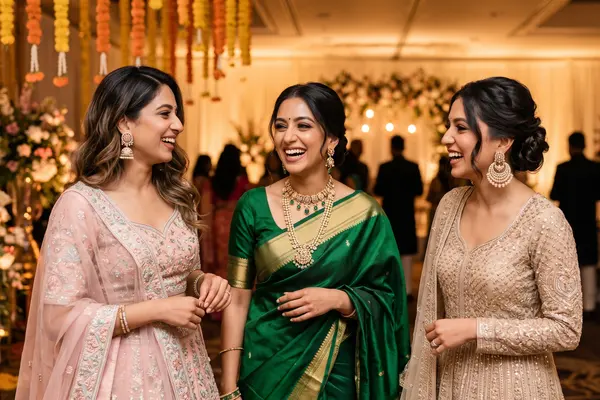
Usually not on its own, at least not at the ceremony. In many Hindu and Sikh families plain white is linked with mourning, so a head-to-toe white outfit can feel out of place at a celebration. The fix is simple: treat white as a base and let colour do the talking. A bright dupatta (the long scarf worn with a kurta set) changes the whole reading of the outfit, and that works well for a daytime mehendi or a brunch.

White, rescued by colour
A white silk-blend anarkali, the flared, full-skirted kurta, with a pink organza dupatta that stops it reading as all white. Save it for a daytime function, and skip it for the main ceremony if the family is traditional.
- Three-quarter sleeves and a calf-length hem keep it covered
- The dupatta doubles as your head covering
Soft shades that are not white
Rose and cream with gold both read as festive. Wear the cream one only where the family is relaxed about pale colours.


Why the colour rules change from one family to the next
India has no single wedding dress code, so the most useful question is whose wedding this is. Here is roughly how the common traditions differ. Treat it as a starting point, because families within any community vary and plenty of modern couples ignore all of it.
| Wedding | What the bride often wears | What it means for your outfit |
|---|---|---|
| North Indian Hindu | Red or pink with gold | Skip bright red and plain white at the ceremony |
| Punjabi Sikh | Often red or pink | Skip white, cover your head, wear something you can sit on the floor in |
| Bengali | Red, pink or maroon Banarasi silk | Stay away from those deep reds |
| Kerala Hindu | Kasavu, a white saree with a gold border | Cream with gold is far less loaded here, though ask first |
| Indian Christian | White gown or a white or ivory saree | Avoid white for the same reason as at any church wedding |
| Parsi | An embroidered white saree | White is not a taboo; guests often wear a gara, an embroidered silk saree |
Mistake 2: Can you wear red to an Indian wedding as a guest?
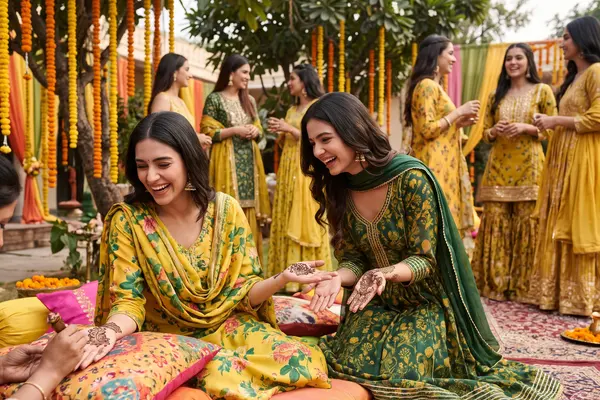
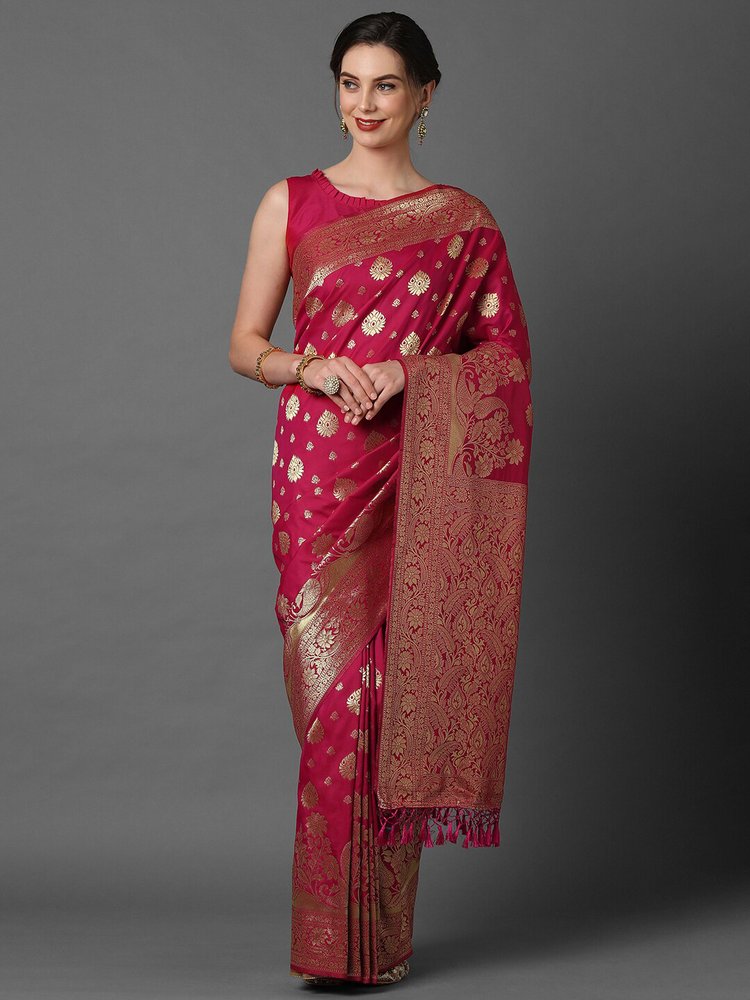
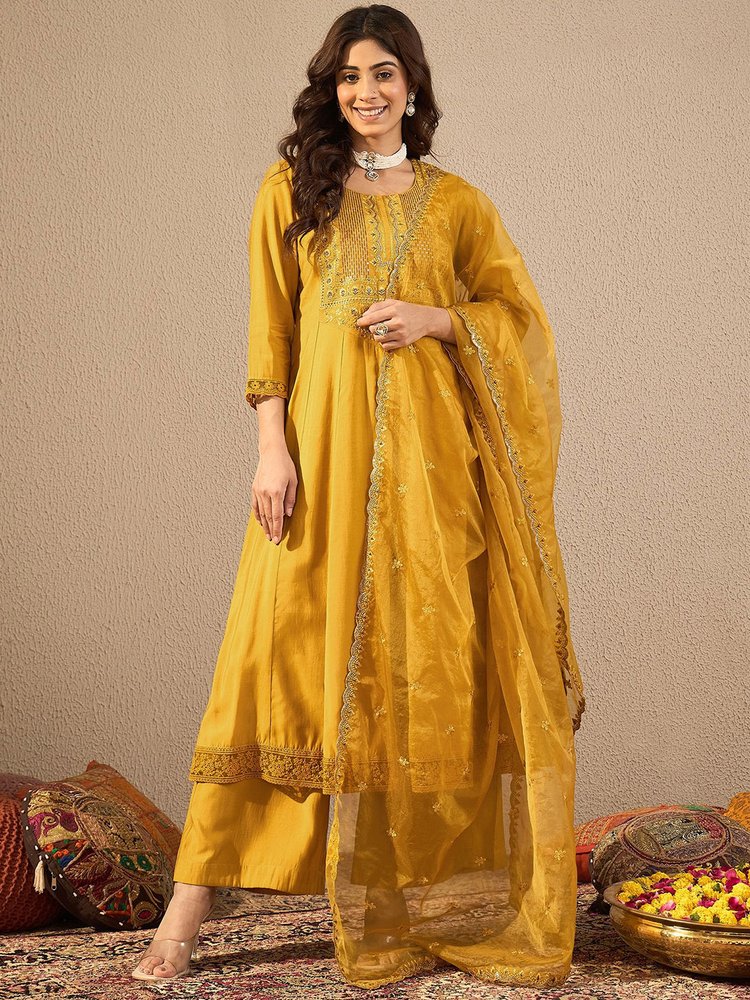
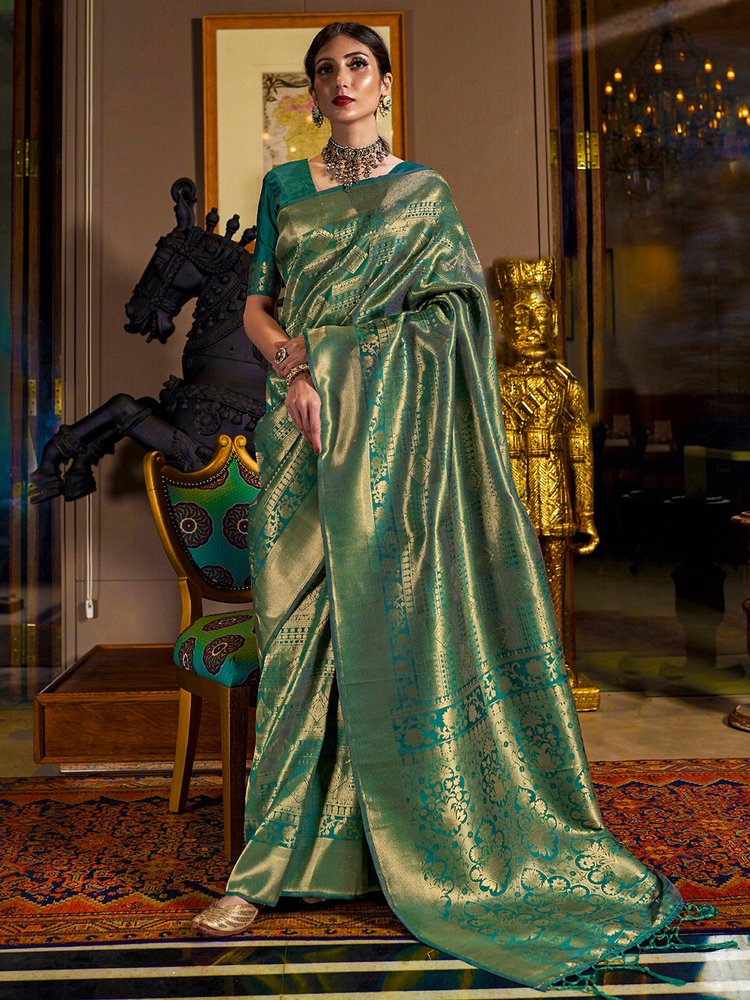
Avoid bright red at the ceremony unless the family says it is fine, because red is the classic bridal colour in much of India. It is less of an issue at a mehendi or sangeet, and some families do not mind at all. If red is your colour, go sideways on the colour wheel: hot pink, burnt orange, wine or mustard all carry the same warmth without looking like a second bride. Teal and bottle green with gold sit beautifully in wedding photos too, and our wedding guest edit gathers more ideas.
Warm, rich colours instead of bridal red
Pink and gold Banarasi, mustard with organza, teal Kanjeevaram and a deep green silk blend.

Mistake 3: Can you wear black to an Indian wedding?
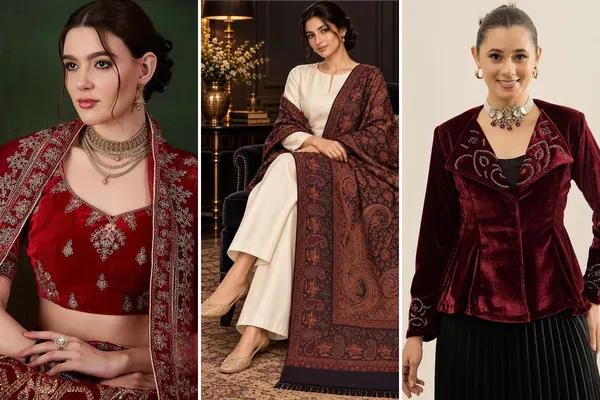
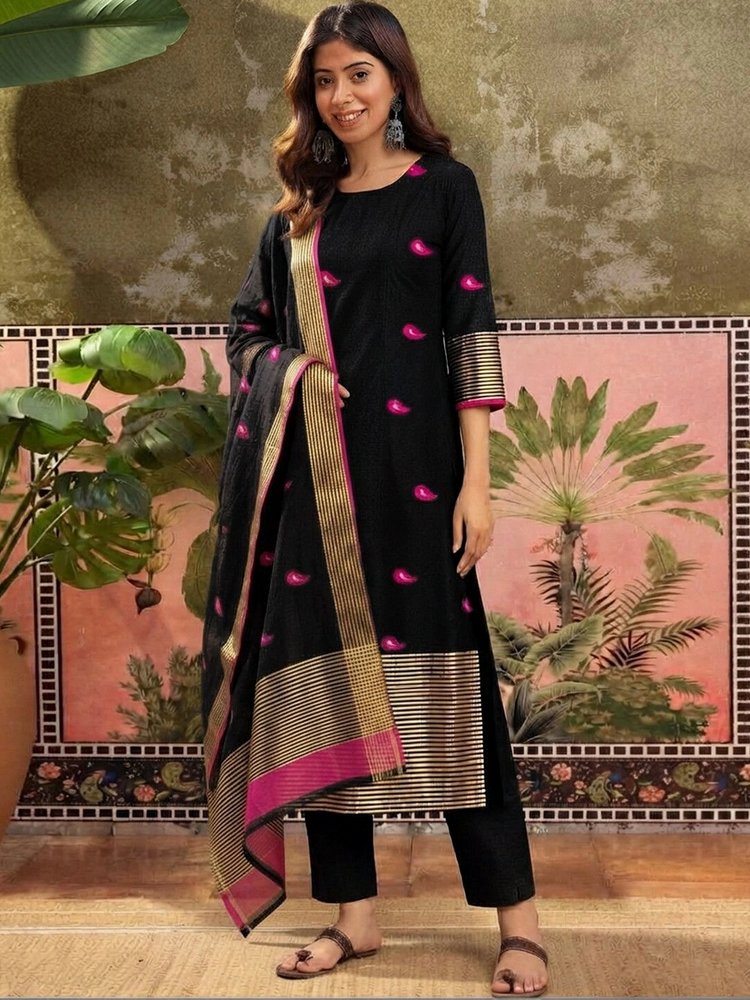
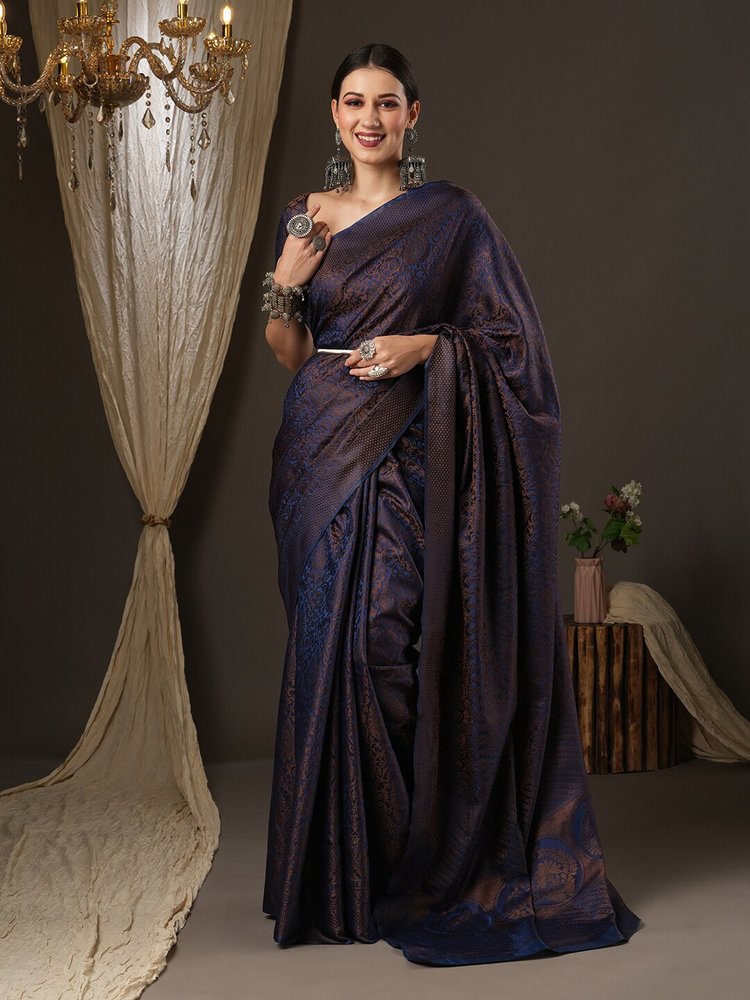
Yes at most receptions and parties, but think twice about all black at the ceremony, where some families consider it unlucky. Black and gold is the useful middle ground. Woven with zari (gold-coloured metallic thread) or lifted by a bright dupatta, it reads as glamorous, not sombre. Black and white together is the combination most likely to raise an eyebrow, since it stacks two colours people already worry about. If you simply love dark colours, navy with gold gives you the same drama and worries nobody.
Dark, but dressed for a party
Black with colour or zari for the evening, and navy with gold when you want to play it safe.


Mistake 4: Can I wear a dress to an Indian wedding?
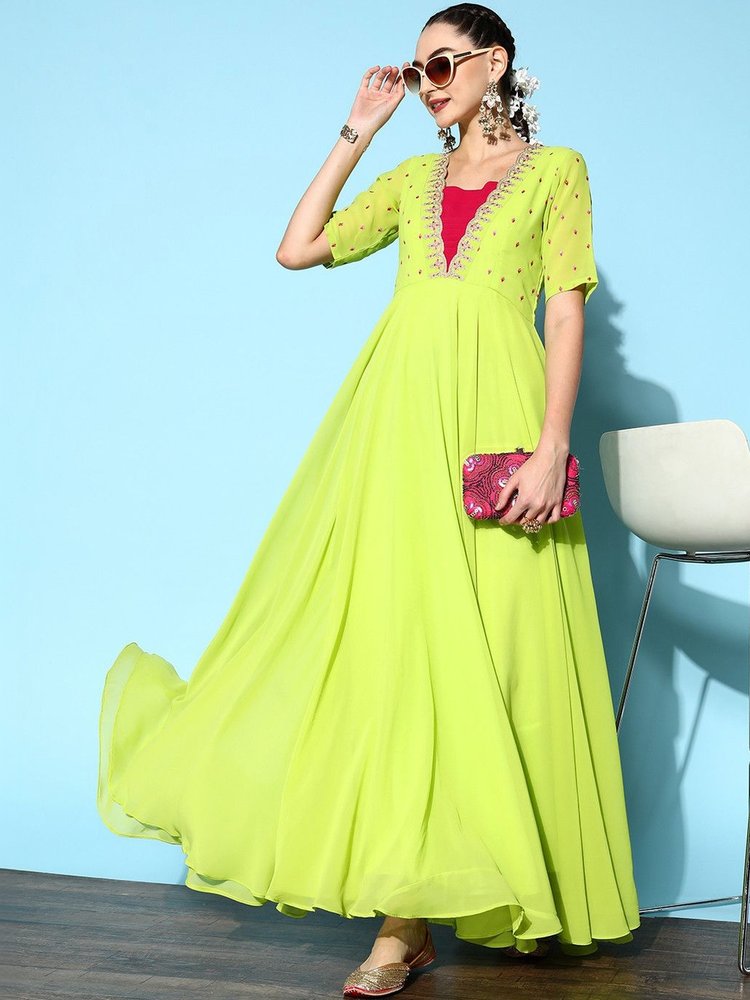
Yes, and nobody expects you to wear Indian clothes. The trouble comes from the cut. A strapless, backless or short dress is fine for many receptions, but it is the wrong choice for a temple, gurdwara or mandap (the canopy where the rites take place), where shoulders and knees should be covered. Sleeves help, and a floor-length hem helps more, because a ceremony can mean sitting on the floor or on low seating. A short skirt that behaves when you are standing is a different garment once you are cross-legged.
Your safe formula is a long dress in a strong colour with some sleeve. Bringing a dupatta or light shawl also rescues a sleeveless dress for the ceremony. Browse dresses and gowns with that in mind.
Long dresses that behave at a ceremony
Sleeves, full skirts and enough colour to look festive.


Mistake 5: Forgetting to cover your head
Everyone covers their head in a gurdwara, the Sikh place of worship, whatever their faith or gender. Gurdwaras publish this in their visitor guidance, and many lend scarves at the door, but a borrowed square will rarely go with your outfit. Baseball caps and beanies do not count. Some Muslim and Hindu ceremonies also ask for it, or at least make it welcome, so ask the family what to expect.
Women can use a dupatta or stole; most run a little over 2 metres, about 7 feet, which is ample to drape over your hair and across the shoulder. A small pin keeps a slippery fabric in place. Men can use a large plain handkerchief knotted at the corners, or a turban if the family is tying them for guests.
Dupattas that do the job and look deliberate
A printed bandhani with tassels, and a sheer organza in a clear yellow.


Mistake 6: Wearing shoes you cannot get out of quickly
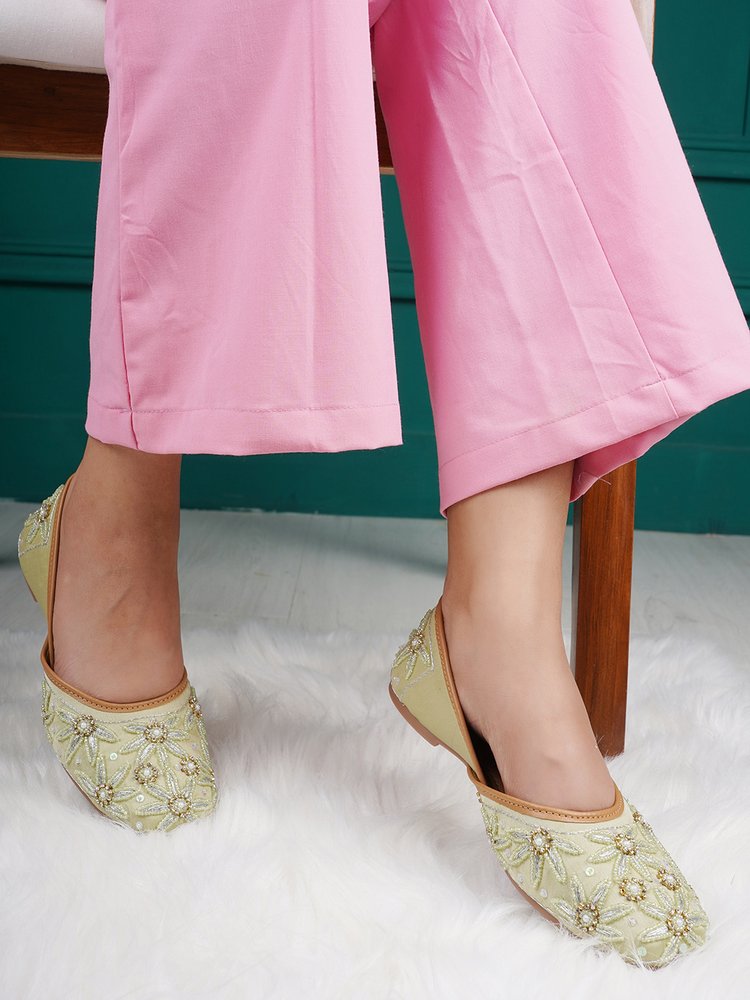
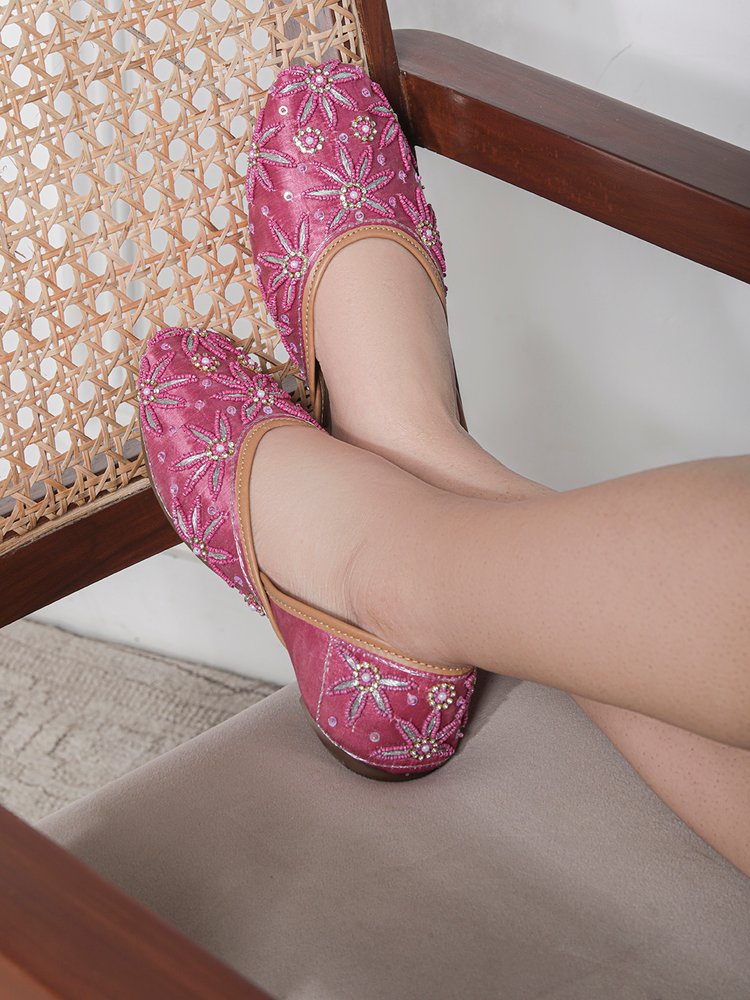
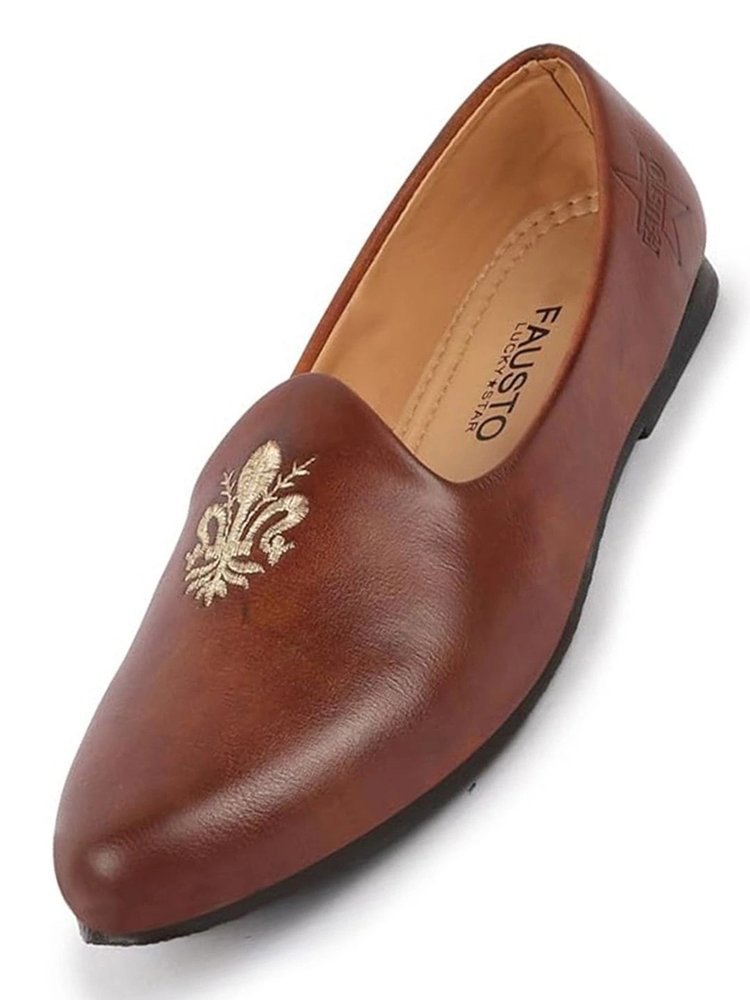
Shoes come off at a temple and a gurdwara, and often before stepping up to the mandap, so buckles, laces and fiddly ankle straps turn into a small comedy at every door. Shoe racks at a busy wedding also fill up, so choose a pair you can spot and step back into without sitting down. Slip-on juttis and mojaris, the closed flat shoes with embroidered uppers, were more or less designed for this. Socks without holes are a real consideration for men, and a pedicure is not wasted on anyone.
Slip-ons for a day of shoes on, shoes off
Embellished flats for women and mojaris for men.

Mistake 7: Thin heels on grass
A lawn, a marquee on a farm or a baraat (the groom's procession, with dancing in the street or the car park) will defeat a stiletto within minutes. Ceremonies abroad are often outdoors, whether it is a Sydney garden in summer or a country house in England. Choose a wedge or a block heel, which spreads your weight and stays on top of soft ground, or wear flats and own the decision. Long skirts hide your shoes anyway, so a flat costs you very little.
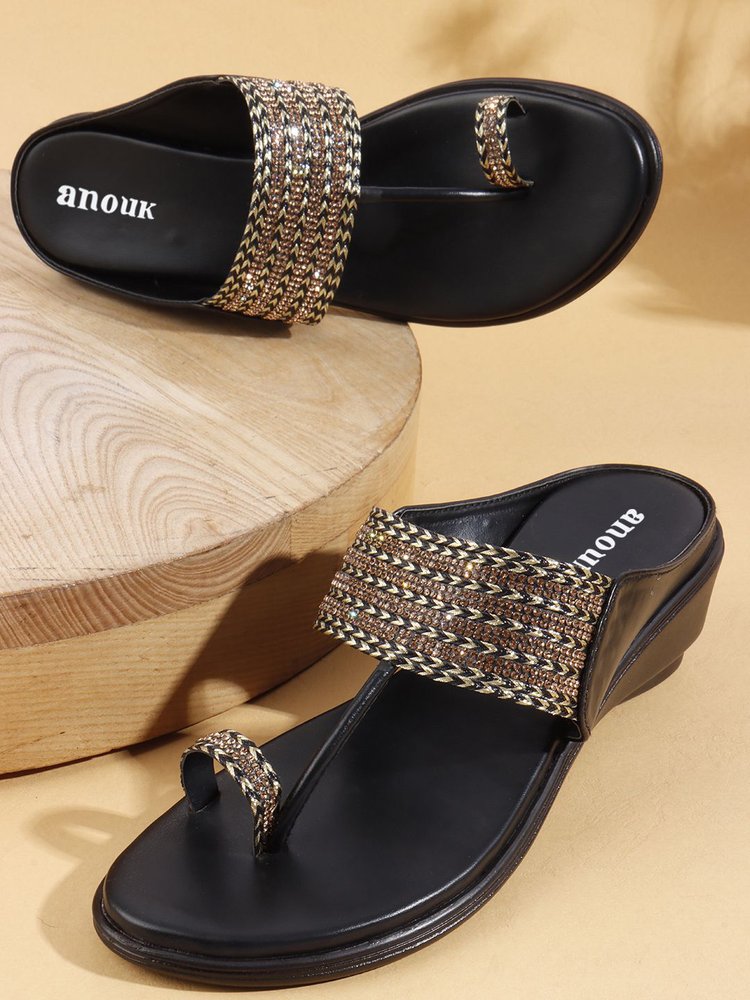
A low wedge for a long day
A low 2 inch (about 5 cm) wedge with an embellished strap. It slips off easily, and it will not sink into a lawn.
- Open back, no buckles
- Black goes with nearly anything in your outfit

More height, still no thin heel
A taller gold wedge for a reception, at 4 inches (about 10 cm). Height without a thin heel, though break them in before the dancing starts.
- Gold works with any jewel tone
- Save it for flat, firm ground if you are not used to the height
Mistake 8: Dressing like the bride, or the groom
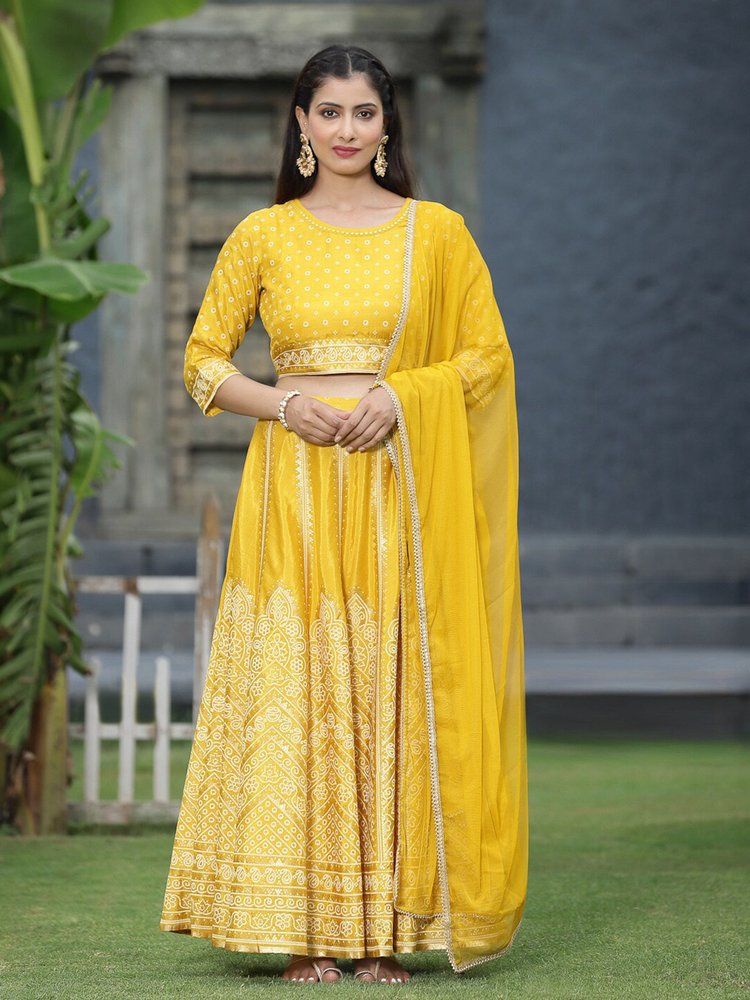
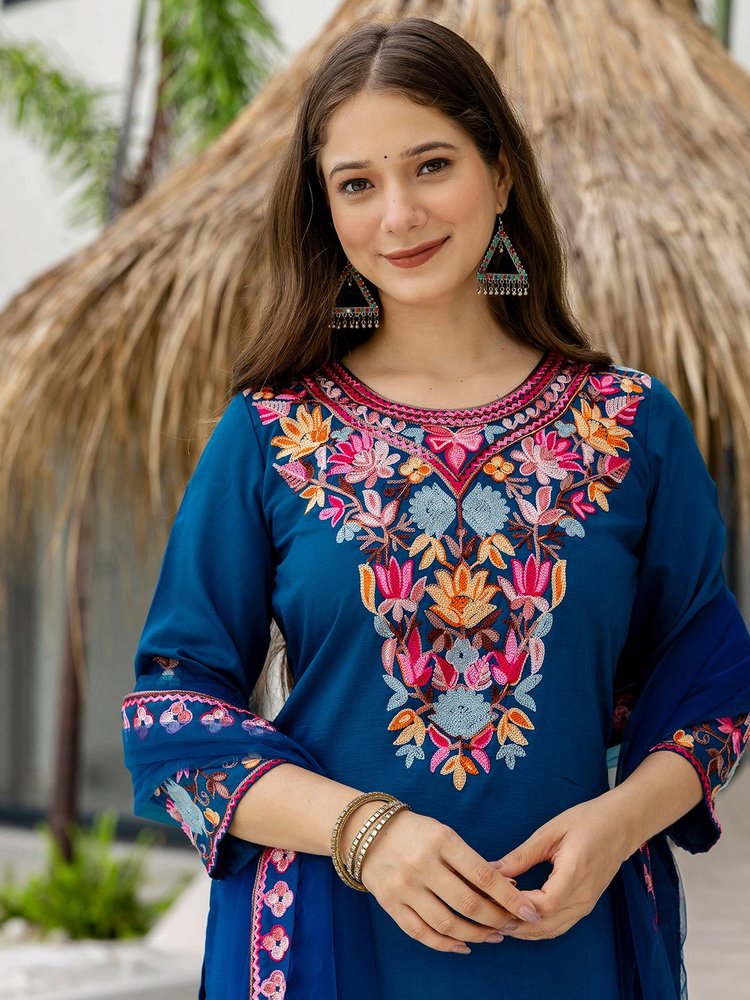
Dressing up is the whole point of an Indian wedding, so over-dressing is hard to do. What you want to avoid is competing. A heavy red bridal lehenga, a full bridal jewellery set or a long train pulls focus from the person everyone came to see. Aim for one statement piece: a heavy skirt with light jewellery, or a simple kurta set with big earrings. Our Luxe Collection has plenty of that richness in shapes that stop short of bridal.
Festive, without stealing the day
A lehenga in mustard, a lime sharara and a bright blue kurta set.

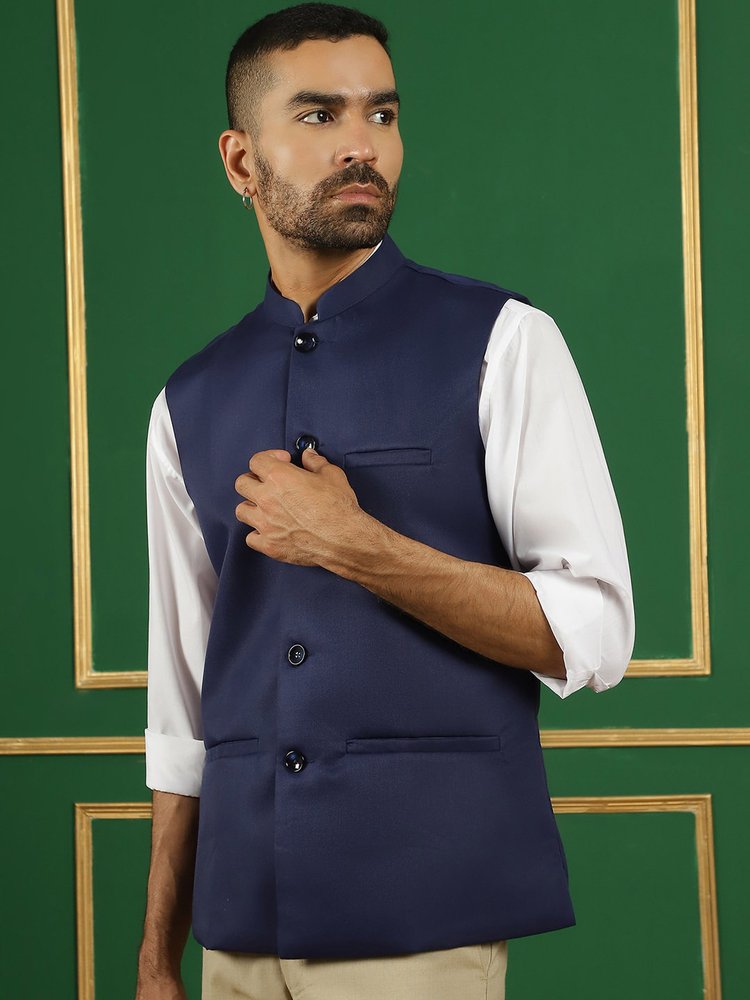
Men have the same problem in a different form. A full embroidered sherwani with a turban and a stole can look a lot like the groom's outfit, so check with the family first. A kurta with a Nehru jacket gives you the polish without any confusion. A dark suit is fine for a reception, but it will look sombre at the ceremony beside everyone else's colour.
For men: smart, festive and clearly a guest
Kurta sets with a Nehru jacket, or a jacket alone over a kurta you already own.


Mistake 9: Worrying about the wrong kind of respect
Non-Indian guests often ask whether wearing a saree or kurta is disrespectful. It is not. When you are invited, wearing the family's clothes is usually taken as a compliment, and aunties will fuss over you happily. The respect part lies in the details. Leave out sindoor, the red powder in a married Hindu woman's hair parting, and a mangalsutra, her wedding necklace, because they signal a marriage you do not have. Do not wear religious symbols as decoration. Leave a turban to the family's invitation, too, since it holds deep meaning for Sikhs.
If a saree feels like too much to manage, a pre-draped saree or a kurta set gives you the look with far less risk of unravelling on the dance floor. Practise sitting, walking and climbing stairs in it at home before the day.
The quick checklist before you leave the house
- Is it mostly colour, and not plain white, bright red or all black, for the ceremony?
- Can you cover your shoulders and knees for any religious part of the day?
- Have you got a dupatta, scarf or handkerchief for your head?
- Can you take your shoes off and put them back on while standing?
- Will your heels survive grass?
- Could you sit on the floor for an hour in this?
- Would anyone mistake you for the bride or groom?
Keep reading
Questions people ask
What colours should you not wear to an Indian wedding?
Plain white, bright red and all black are the three to check, especially for the main ceremony. White can be linked with mourning, red is the classic bridal colour and black is thought unlucky by some families. Traditions differ by community, so ask the couple if you are unsure.
Can you wear black and gold to an Indian wedding?
Yes, particularly at a reception or sangeet, where black with gold zari looks festive. For a traditional ceremony, add a bright dupatta or choose navy and gold instead. If the family has said they would rather avoid black, take them at their word.
Can you wear black shoes to an Indian wedding?
Yes. Colour rules are about the outfit, and black shoes draw no attention, especially under a long skirt or with a kurta. Think more about whether they slip off easily, because you may remove them at the ceremony.
Can I wear a Western dress to an Indian wedding as a non-Indian guest?
Yes. A long, colourful dress is welcome, and it should cover your shoulders and knees for any religious part of the day. A light shawl or dupatta solves the shoulders if your dress is sleeveless.
Do you need to cover your head at an Indian wedding?
In a gurdwara, yes, for every guest. At other ceremonies it depends on the family and the faith, so it is worth asking in advance. Carrying a dupatta or scarf means you are ready either way.
Is it disrespectful for a white person to wear Indian clothes to an Indian wedding?
No. An invited guest in a saree, lehenga or kurta is generally seen as joining in, and families tend to enjoy it. Leave out the marks of a married woman or a bride, such as sindoor and a mangalsutra.
About the numbers
- Google autocomplete, United States, read 2026-11-02: The questions this post answers, including what colours not to wear and whether black, white, red and dresses are acceptable
- Etiquette guidance published by a gurdwara in Tampa, read 2026-11-03: Visitors cover their heads and remove shoes; scarves are provided at the entrance; caps, hoodies and short skirts are not suitable