Ethnic wear
Notes on wearing Indian fashion wherever you live: the labels worth knowing and where they came from, what to wear to which function, and how Indian sizes convert.
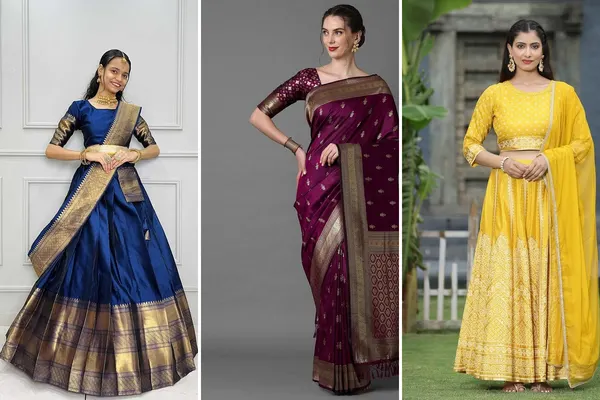
Saree vs Lehenga: Which Is Easier, and Which Suits Your Function?
A lehenga is easier to wear and dance in. A saree is easier to fit and re-wear, and it reads more formal at a ceremony. Choose by the function, your experience and how often you will wear it again.
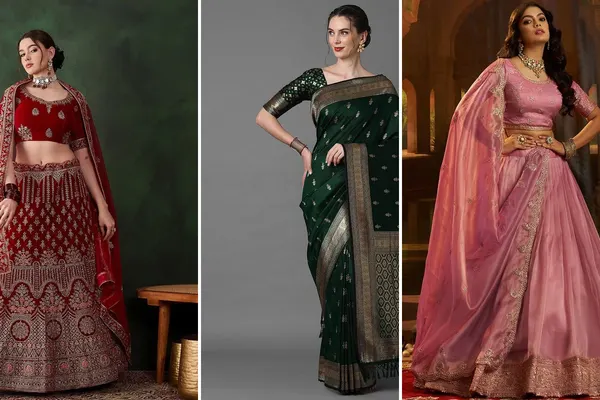
Types of Indian Silk, Zari and Velvet: A Luxe Fabric Guide
India produces five commercial silks: mulberry, tropical tasar, oak tasar, muga and eri. Zari is a metallic thread, not a cloth. Here is how each fabric looks, when to wear it and how to care for it.
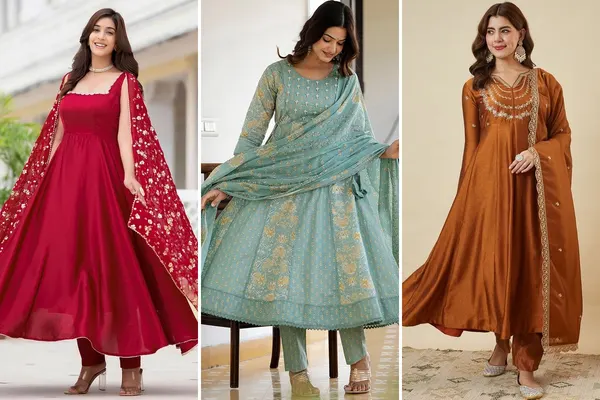
How to Style an Anarkali Suit: Dupatta, Jewellery, Shoes and Fit
Style an anarkali by letting the flare lead: pick the length for the event, drape the dupatta so the skirt still shows, wear one statement jewel, and choose shoes before you settle the hem.
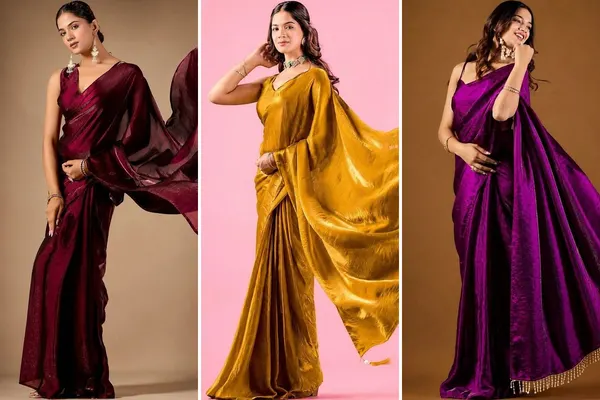
What Is a Pre-Draped Saree? How It Works, Blouses and Fit
A pre-draped saree has its pleats and often its pallu already stitched in place, so it fastens at the waist like a skirt and goes on in a few minutes. Here is how it works and who it suits.
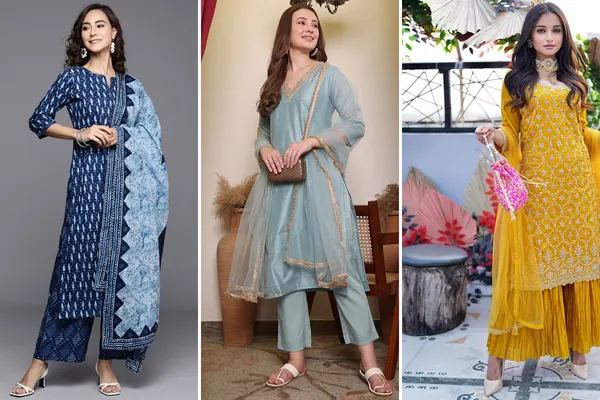
What Is a Kurta Set? The Three Pieces, Lengths and How to Wear One
A kurta set is a matching outfit: a long tunic called a kurta, a bottom such as palazzos or straight pants, and often a dupatta, a long scarf.